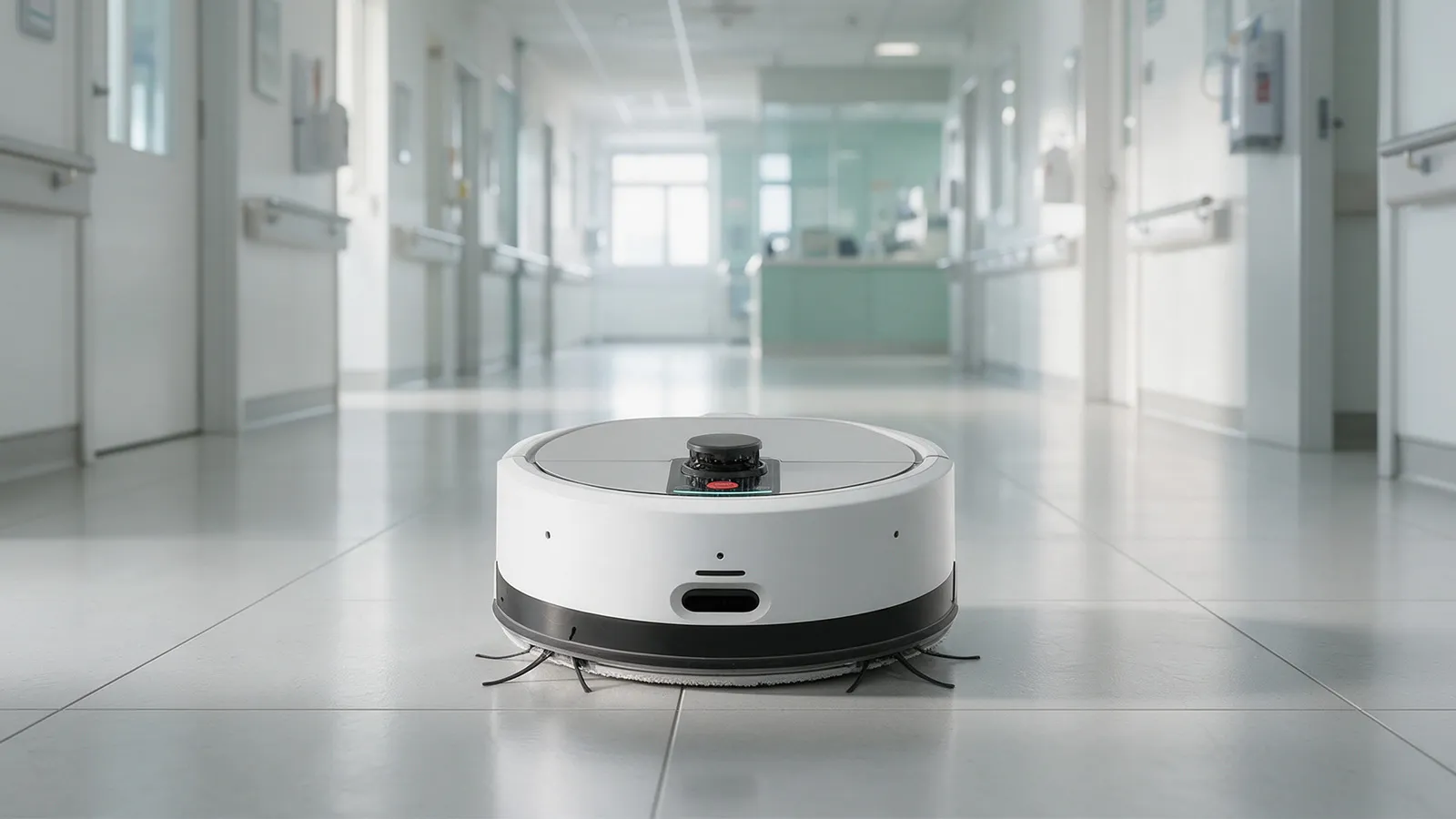
Night shift, less walking
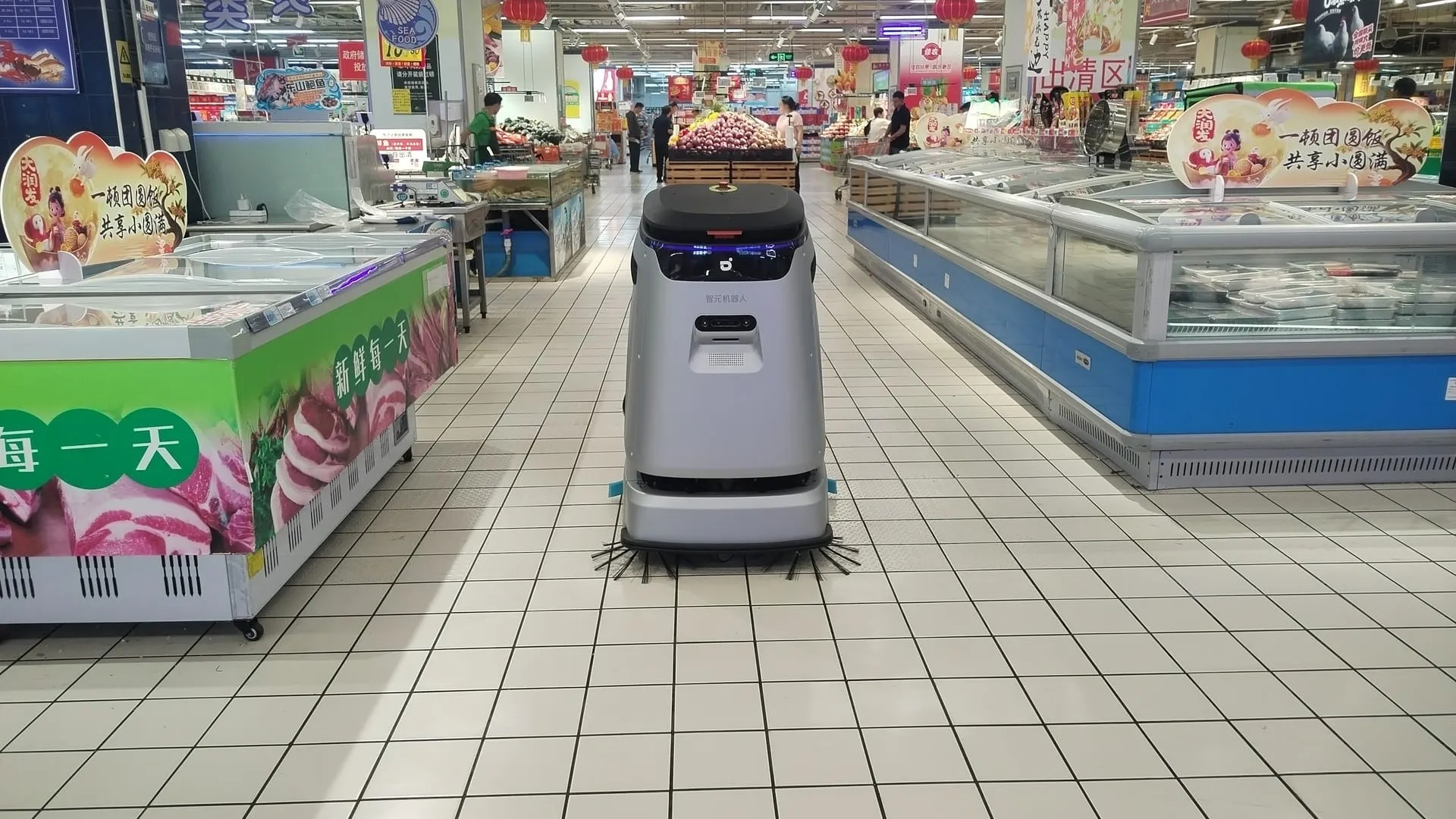
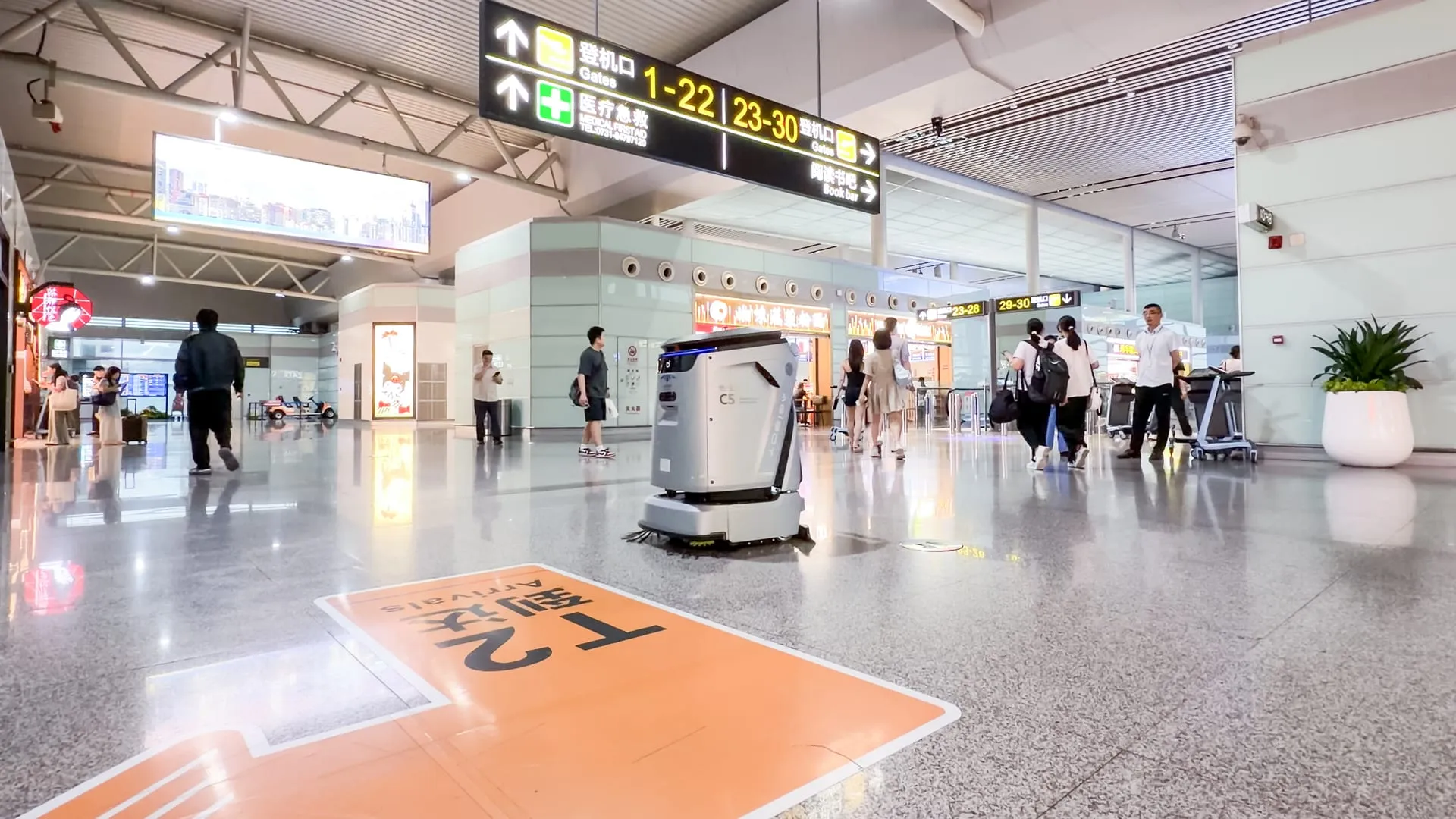
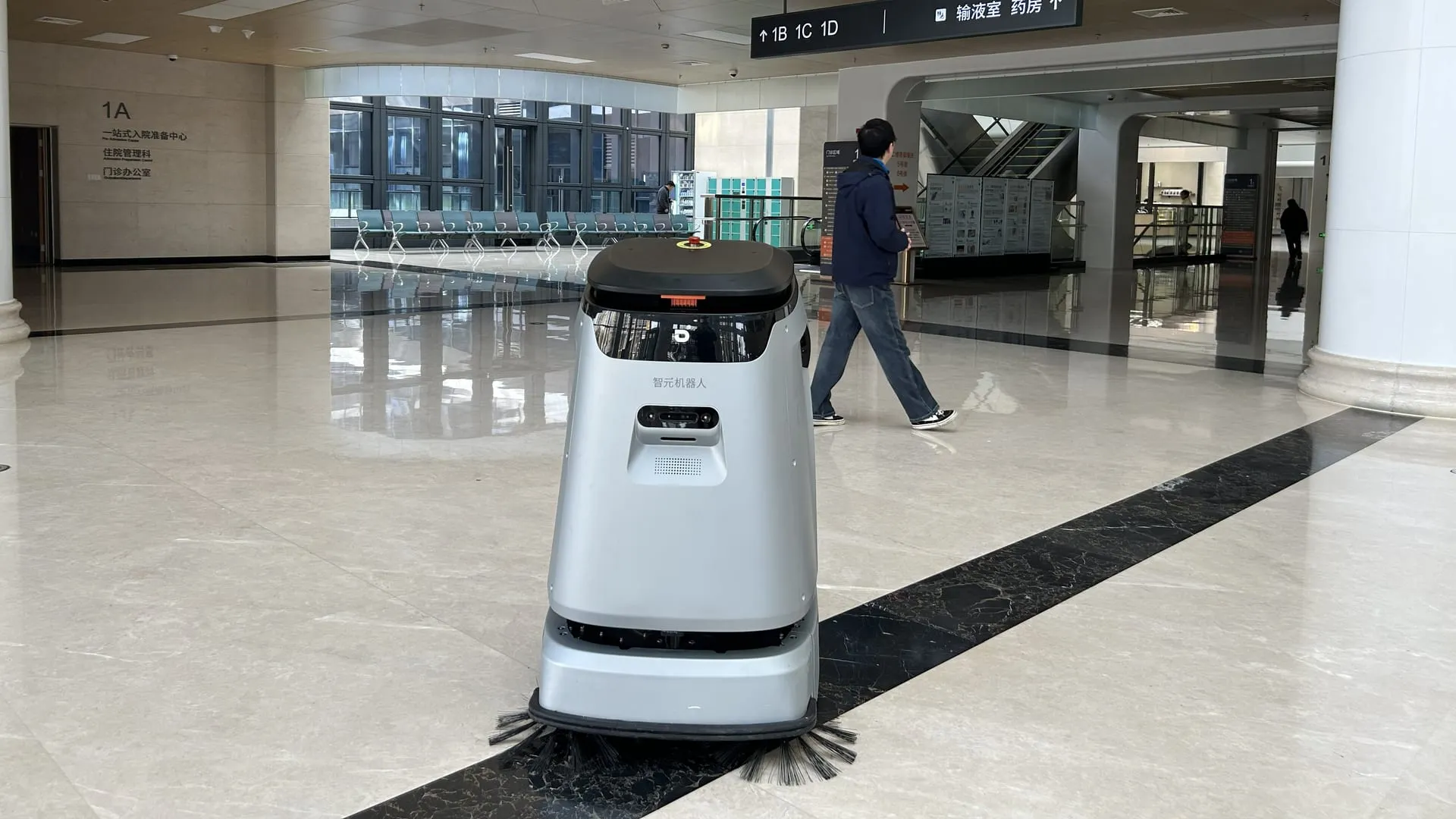
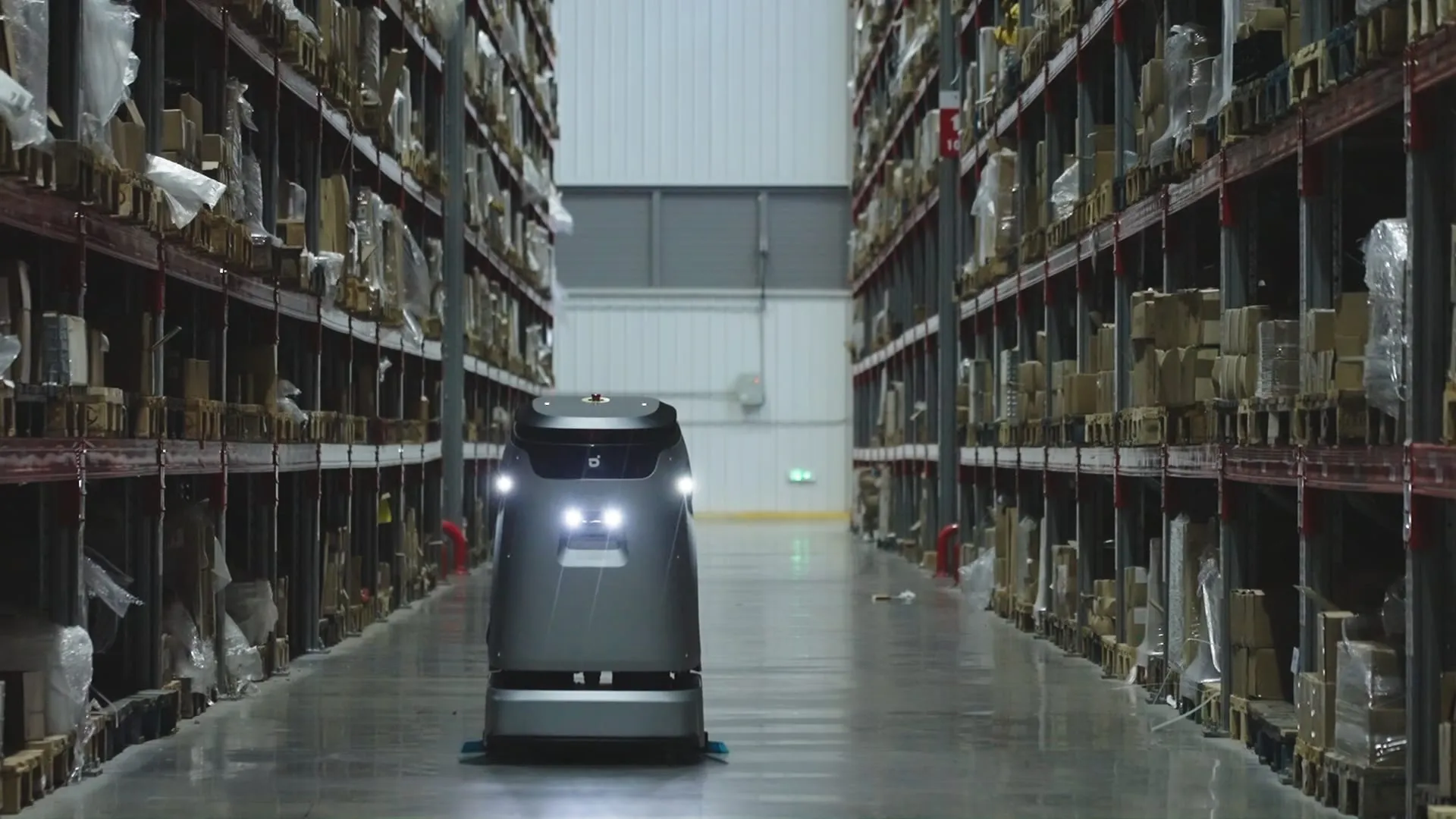
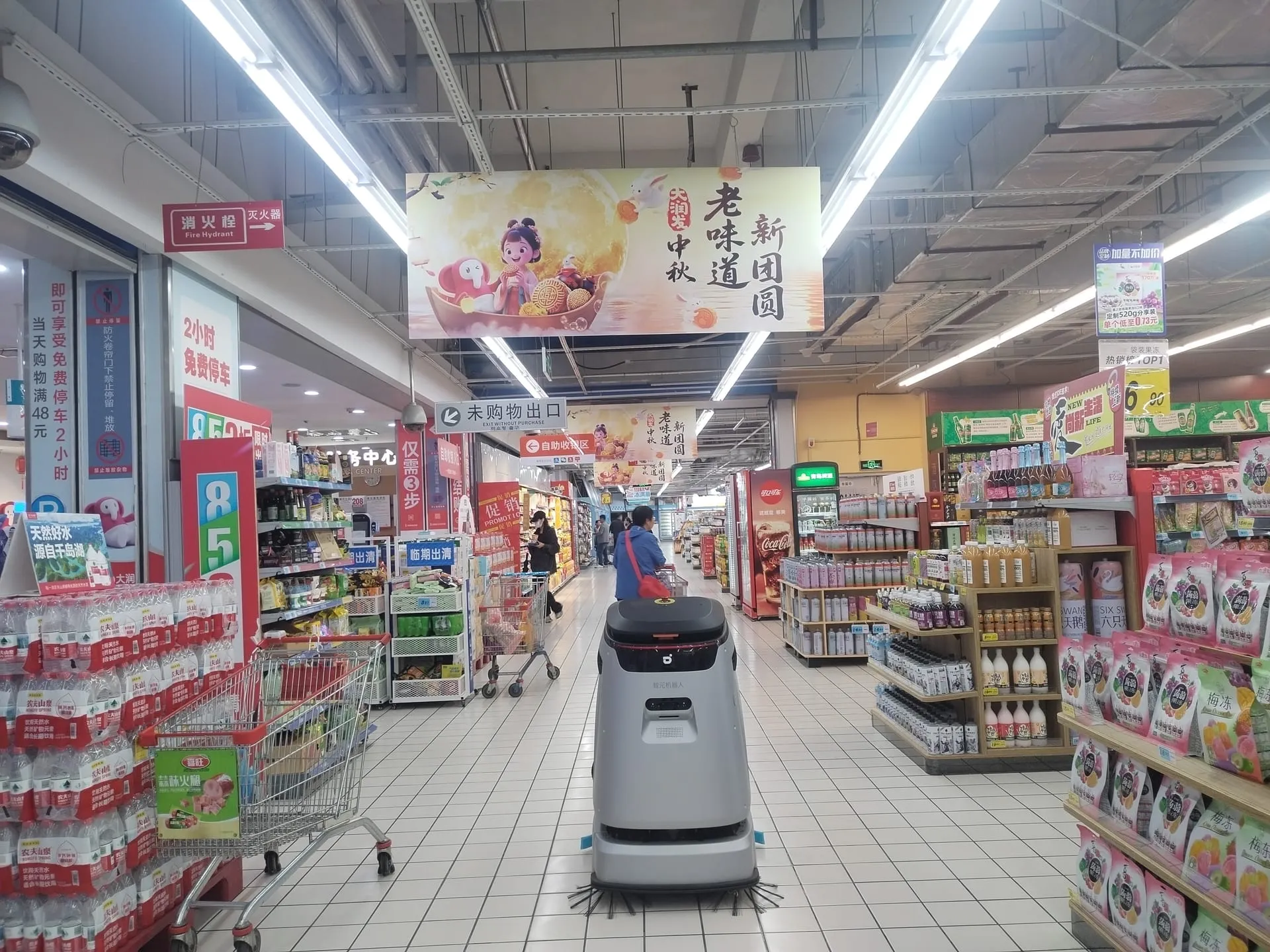
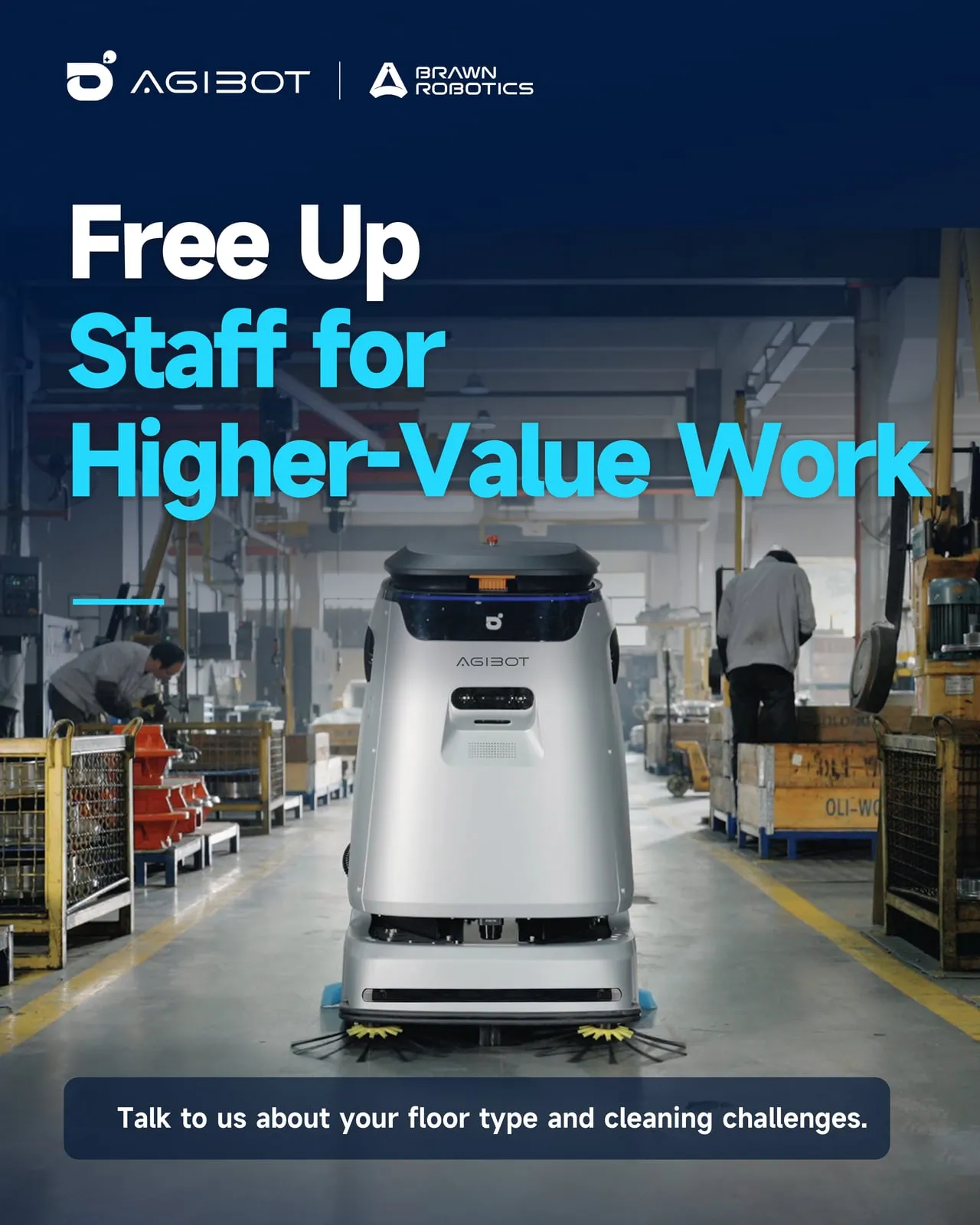
The robot runs the mapped route and handles its own charging and water. The crew spends its time on edges, spills and exceptions.
Will it cut the night shift? Does it fit this floor? Can I prove what was cleaned?
The robot runs the mapped route and handles its own charging and water. The crew spends its time on edges, spills and exceptions.
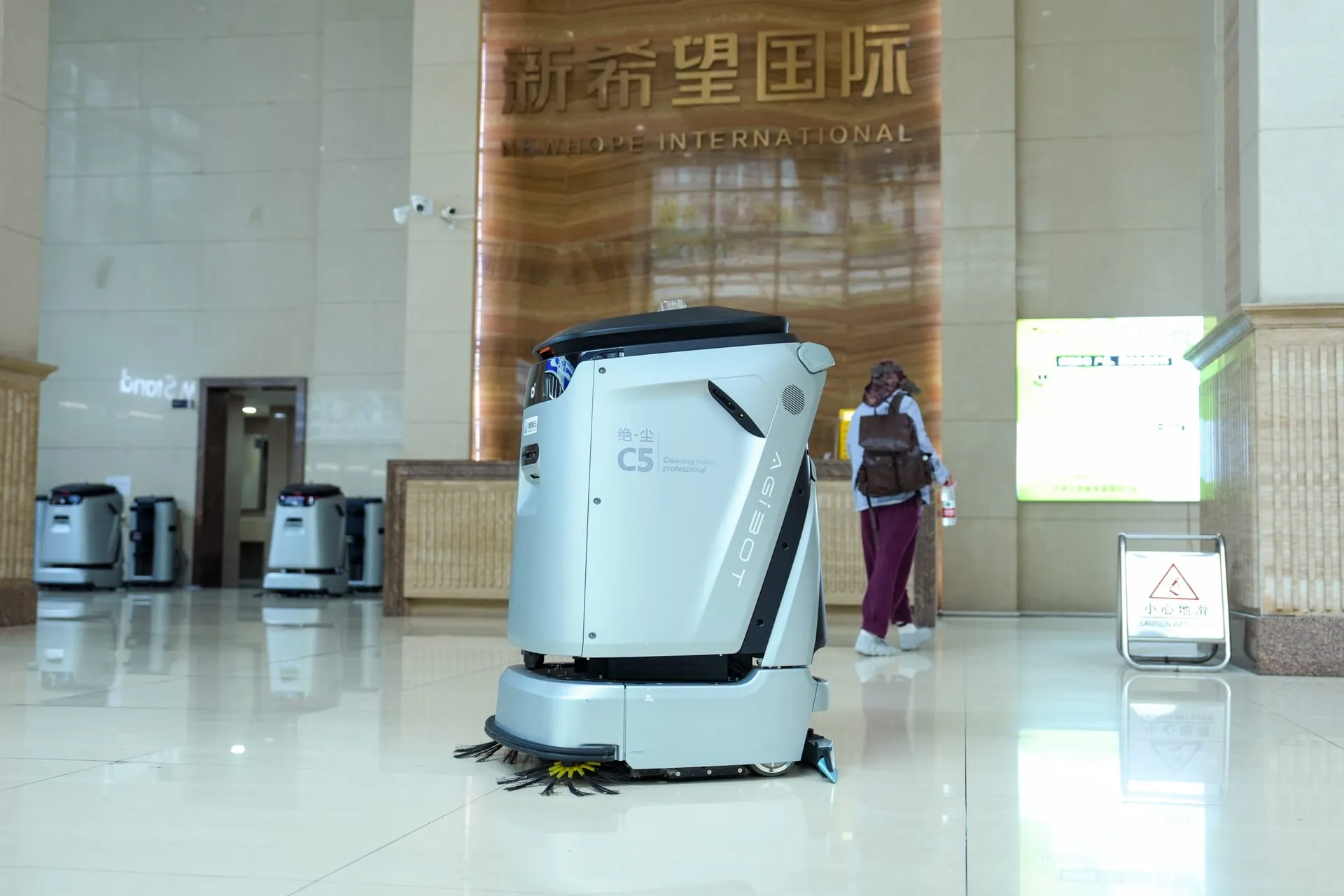
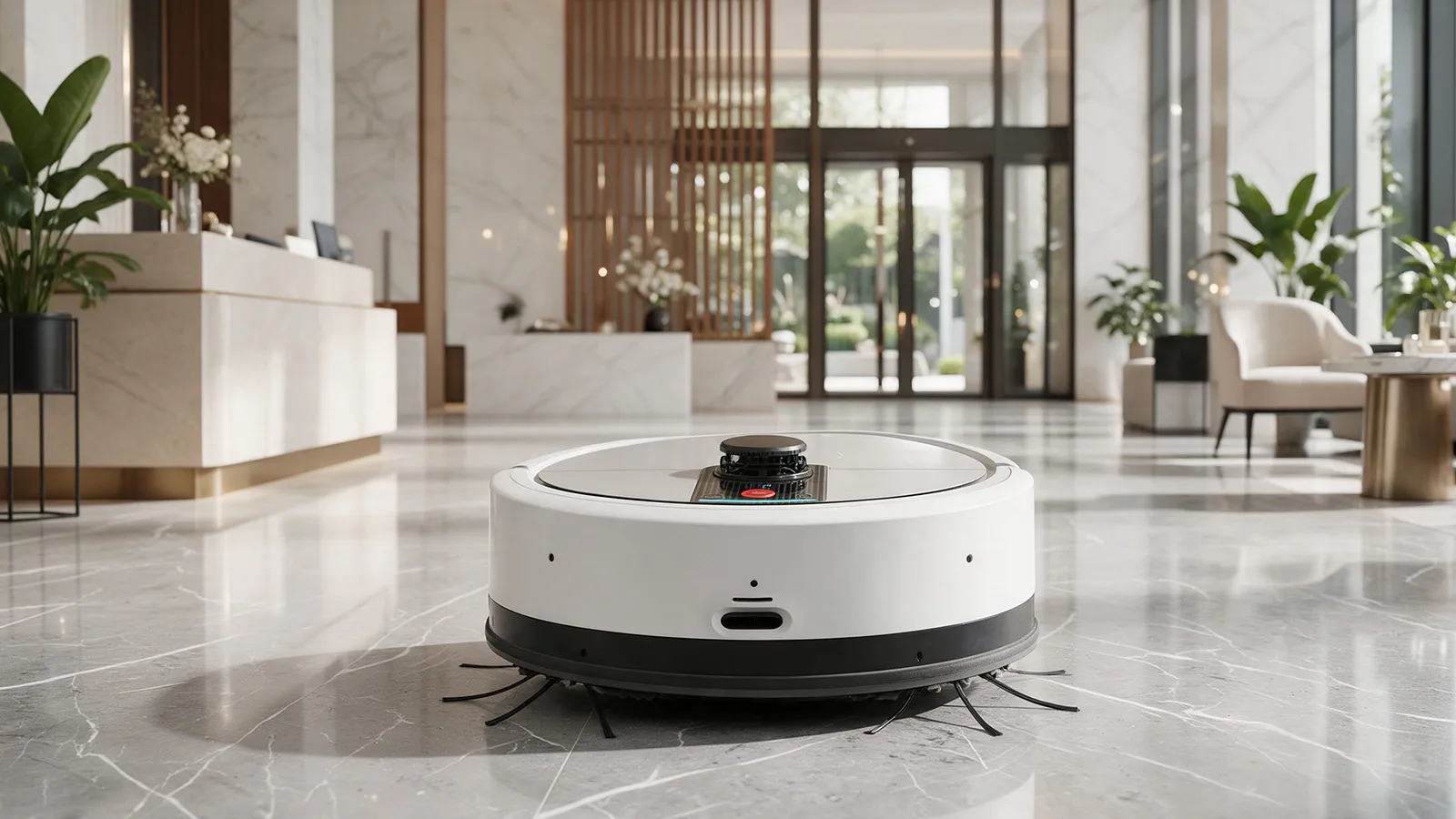
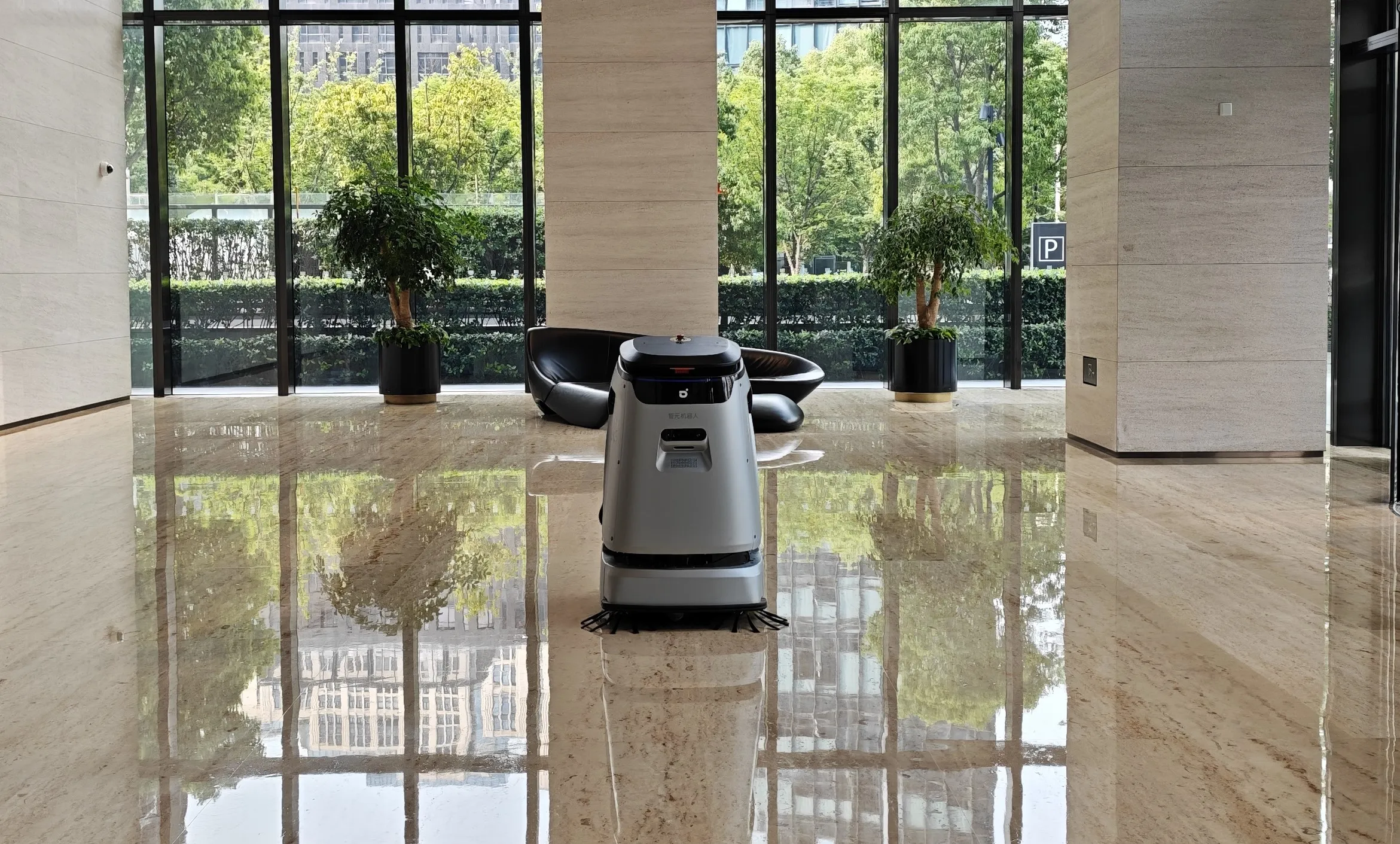
Marble, tile, epoxy, PVC, carpet. The model and cleaning mode follow the surface and the aisle width.
Task progress, covered area, machine status and exceptions sit in one console. Before the morning meeting you can see which zones were missed and which machine needs a consumable.
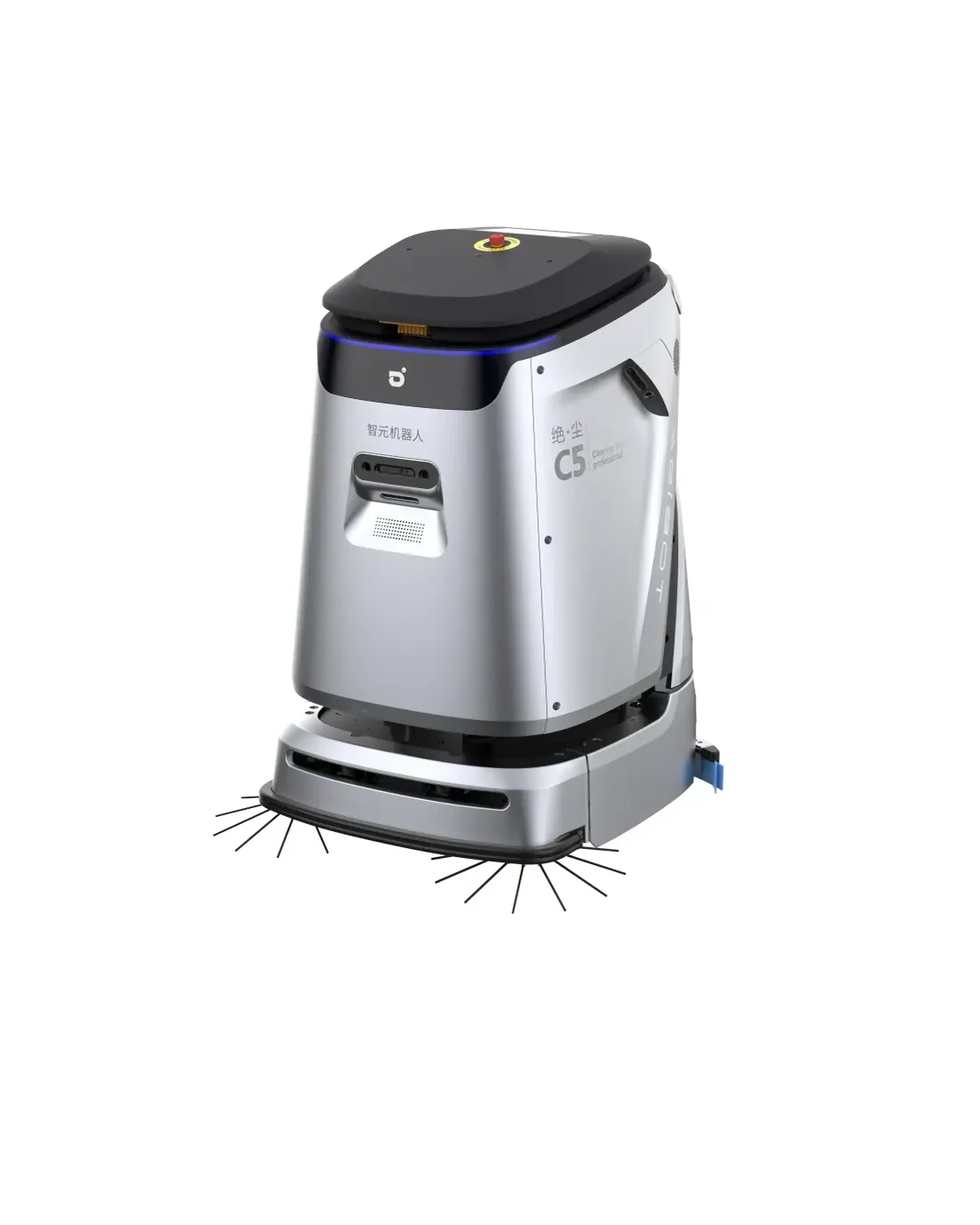
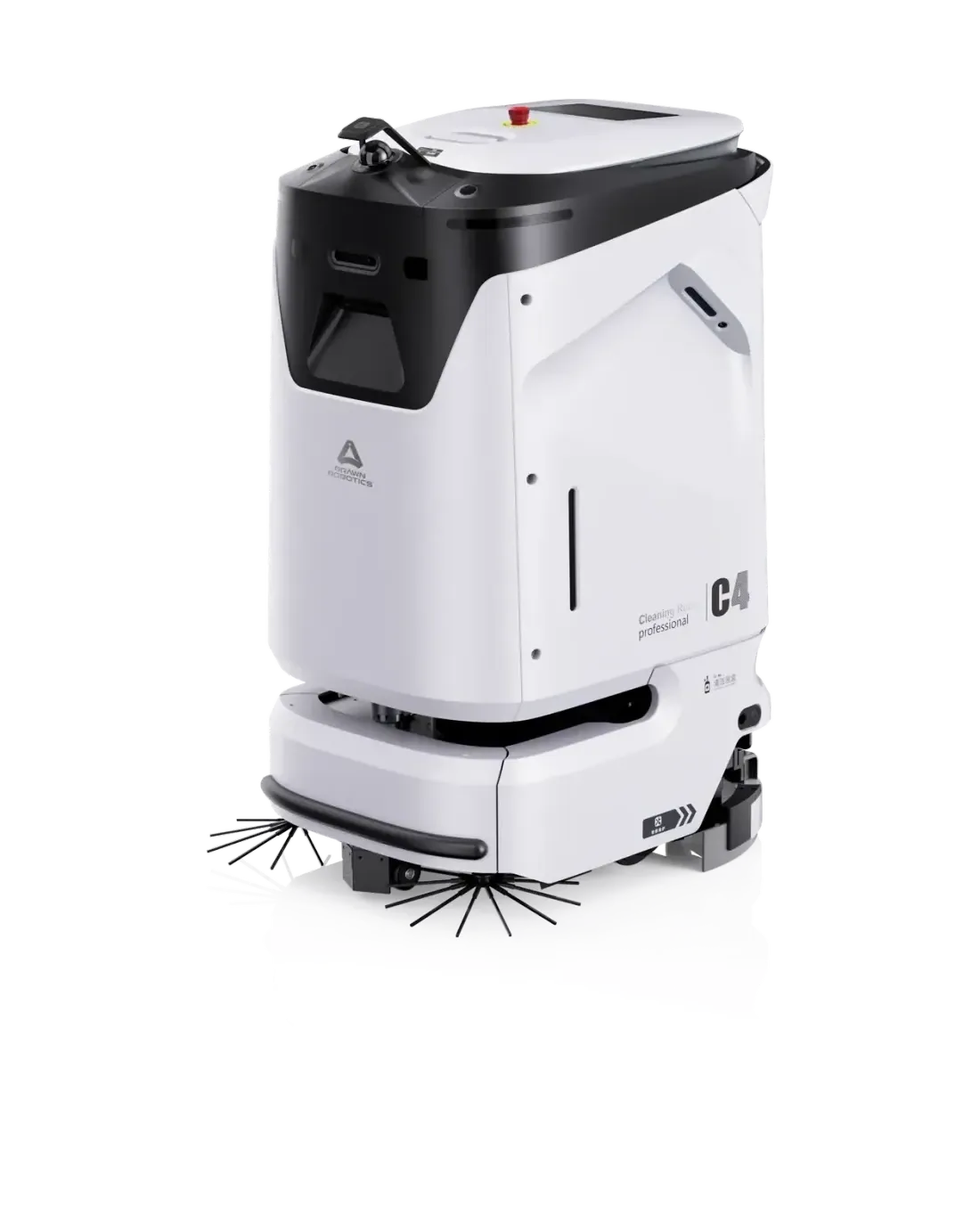
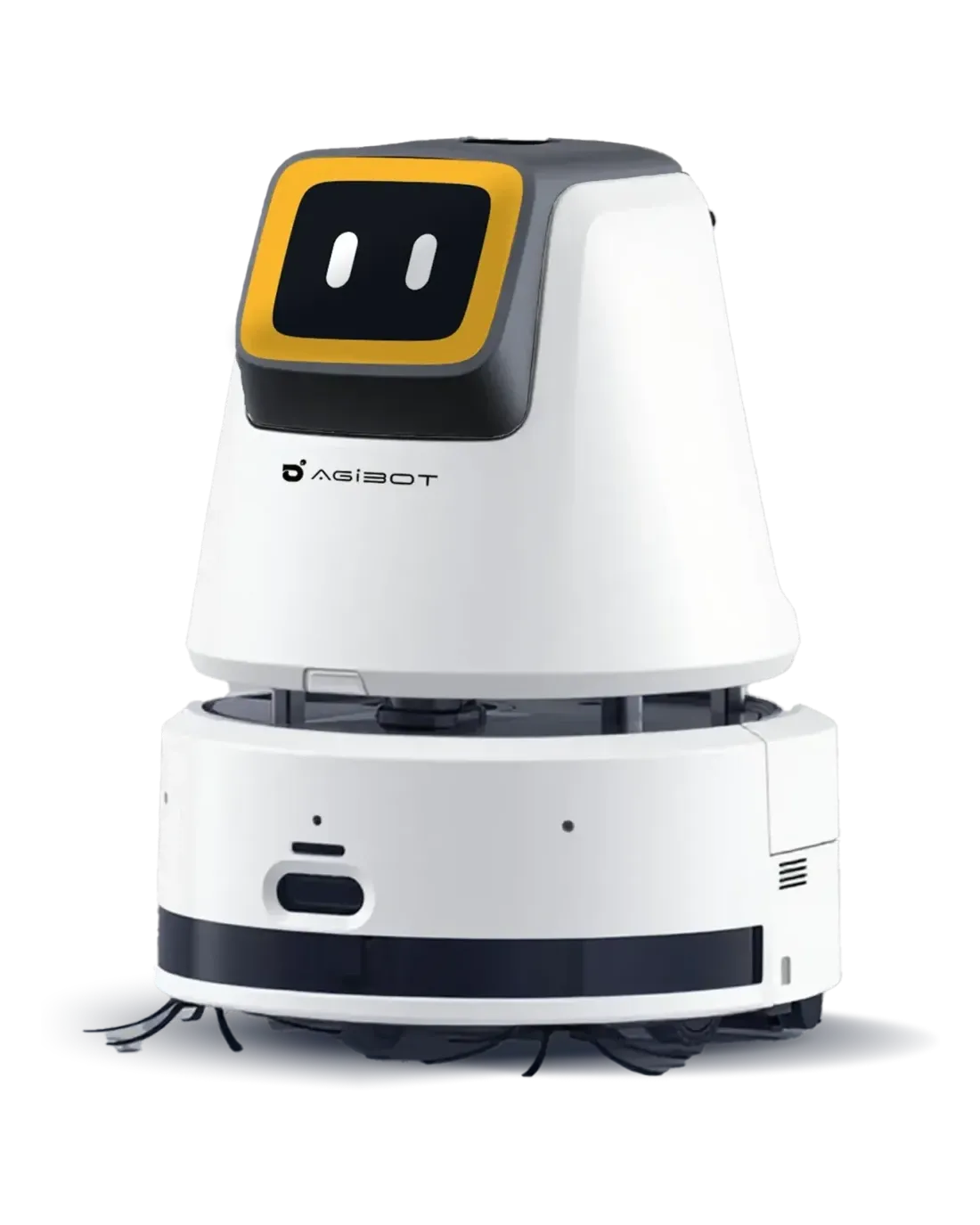
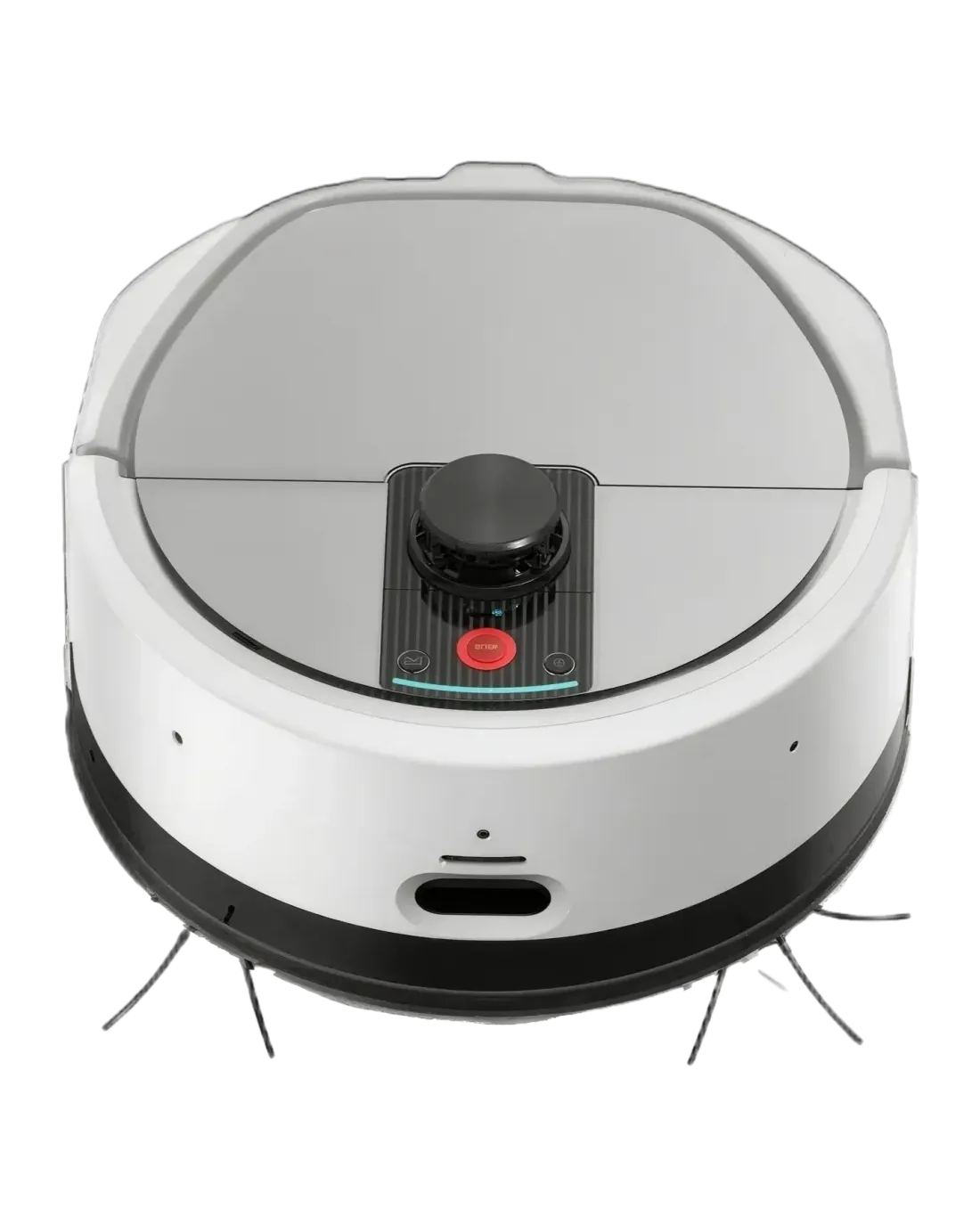
Start with the site. Each industry page shows the problems, the zone plan and the before/after comparison.
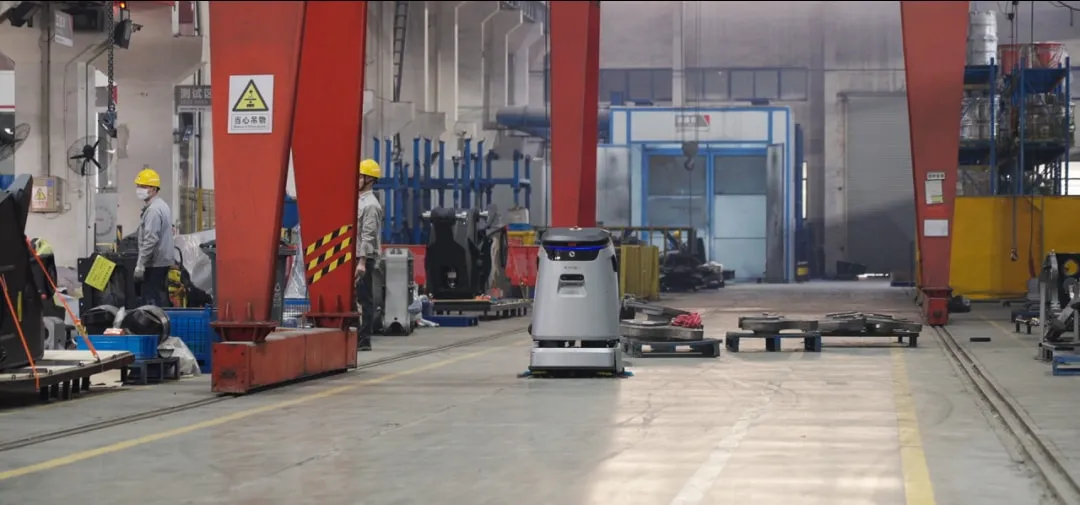
2,000 m²Workshop floor
5,000–8,000 m²Cleaned per day
2Lobby scrubs per day
1,980 m²/hRated cleaning rate
NightlyFull-floor scrub
Round the clockCleaning window
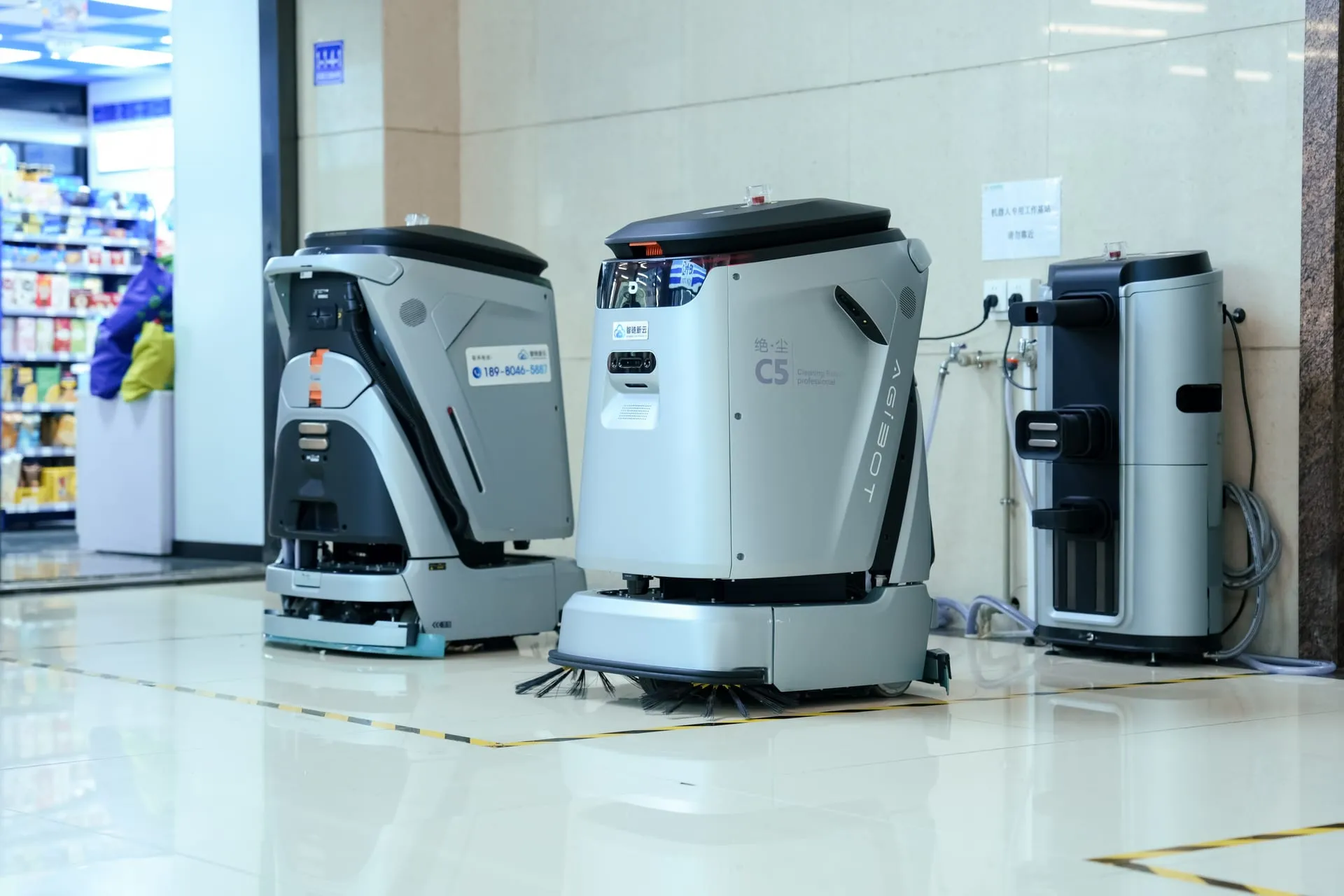
BRAWN ROBOTICS is the commercial cleaning brand of AGIBOT Innovation (Shanghai). Robots, docking stations and the cloud platform are developed and built in one house, which is what makes the line compound: 48 patents, 37 of them invention patents, CE / FCC / cTUVus / KC / RCM on the machines, and service reach across more than 30 countries.
More about BRAWNFour layers decide how a robot performs on site: perception and decision on board, the digital twin in the cloud, the docking station, and building-system integration. All four are developed in house.
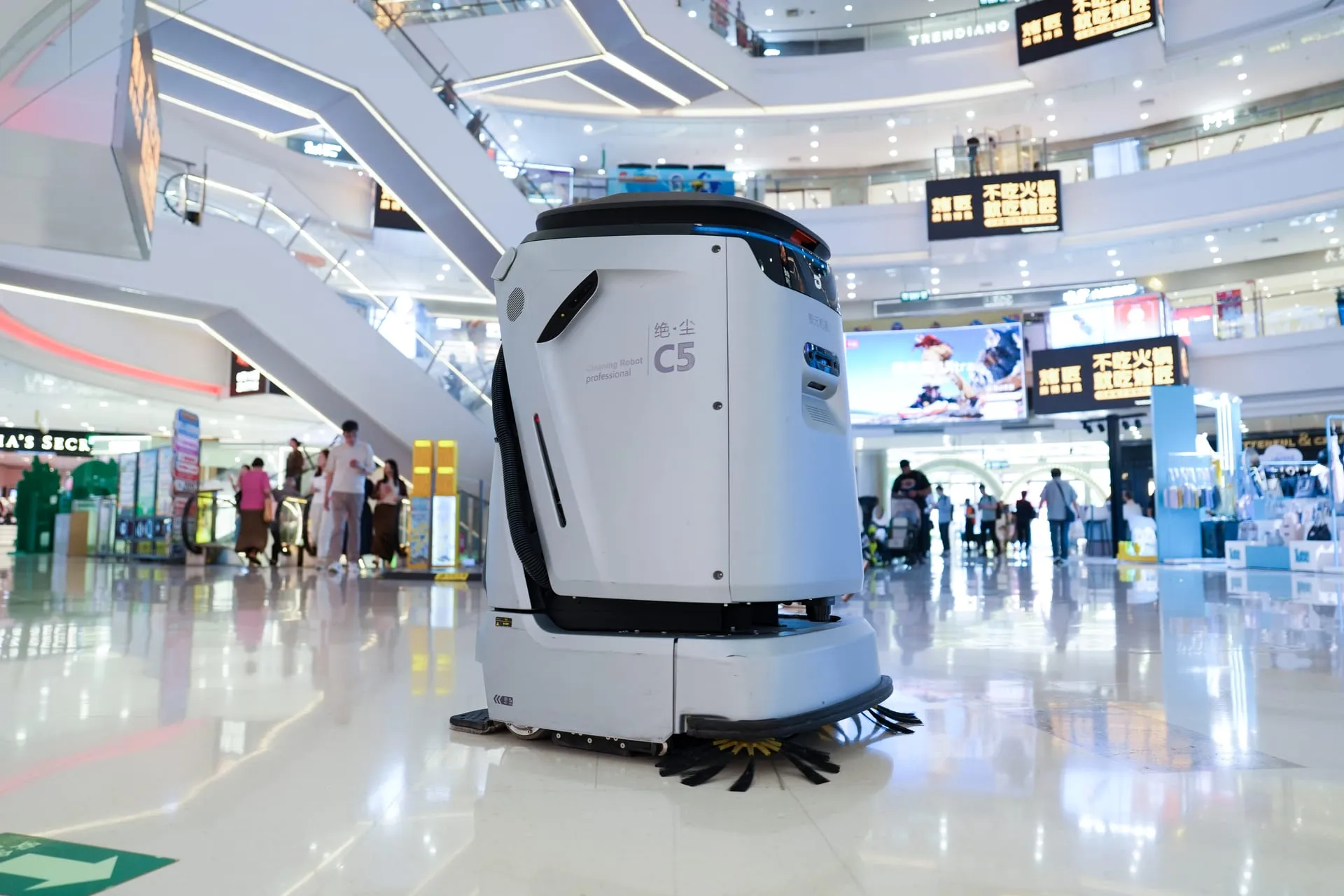
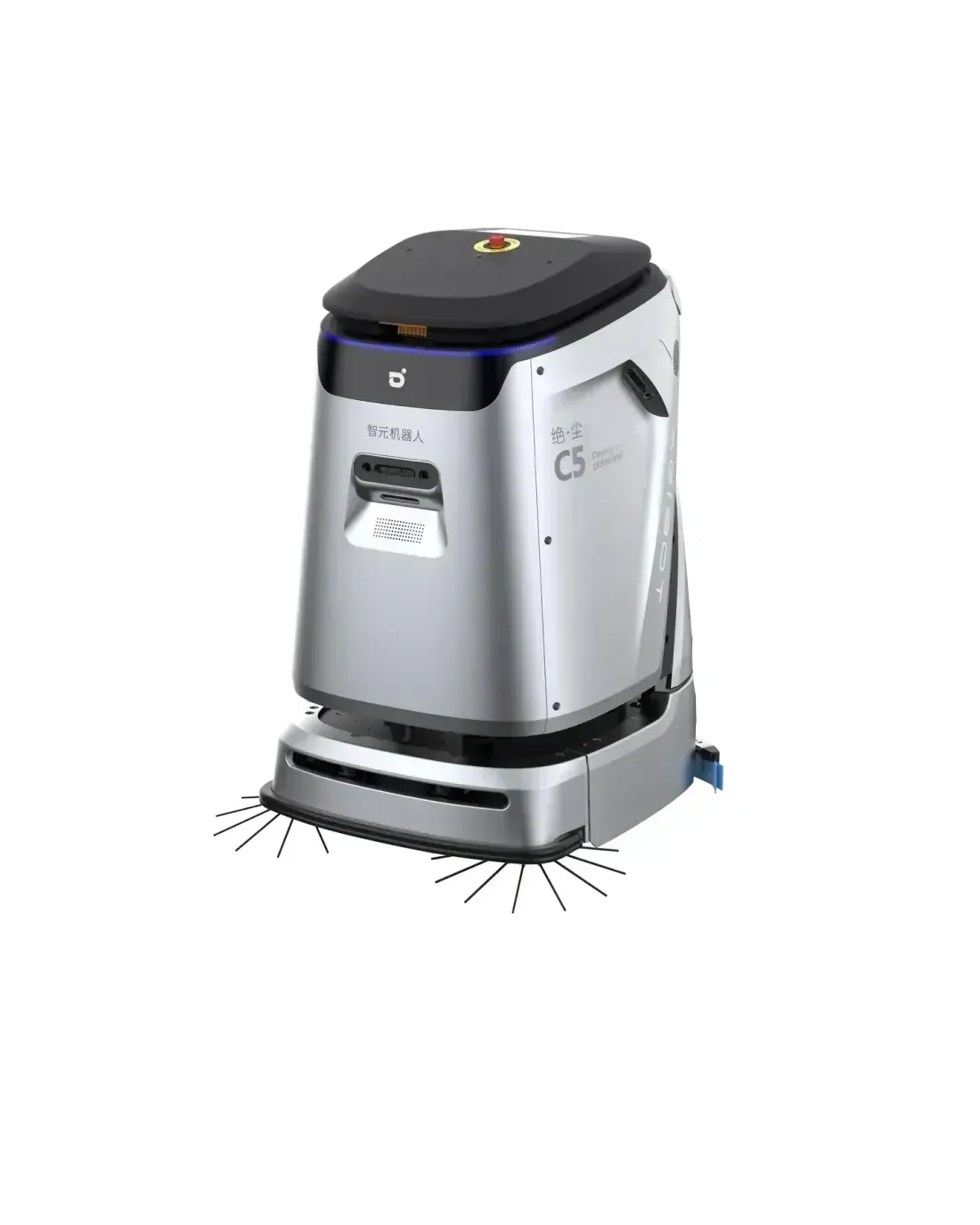
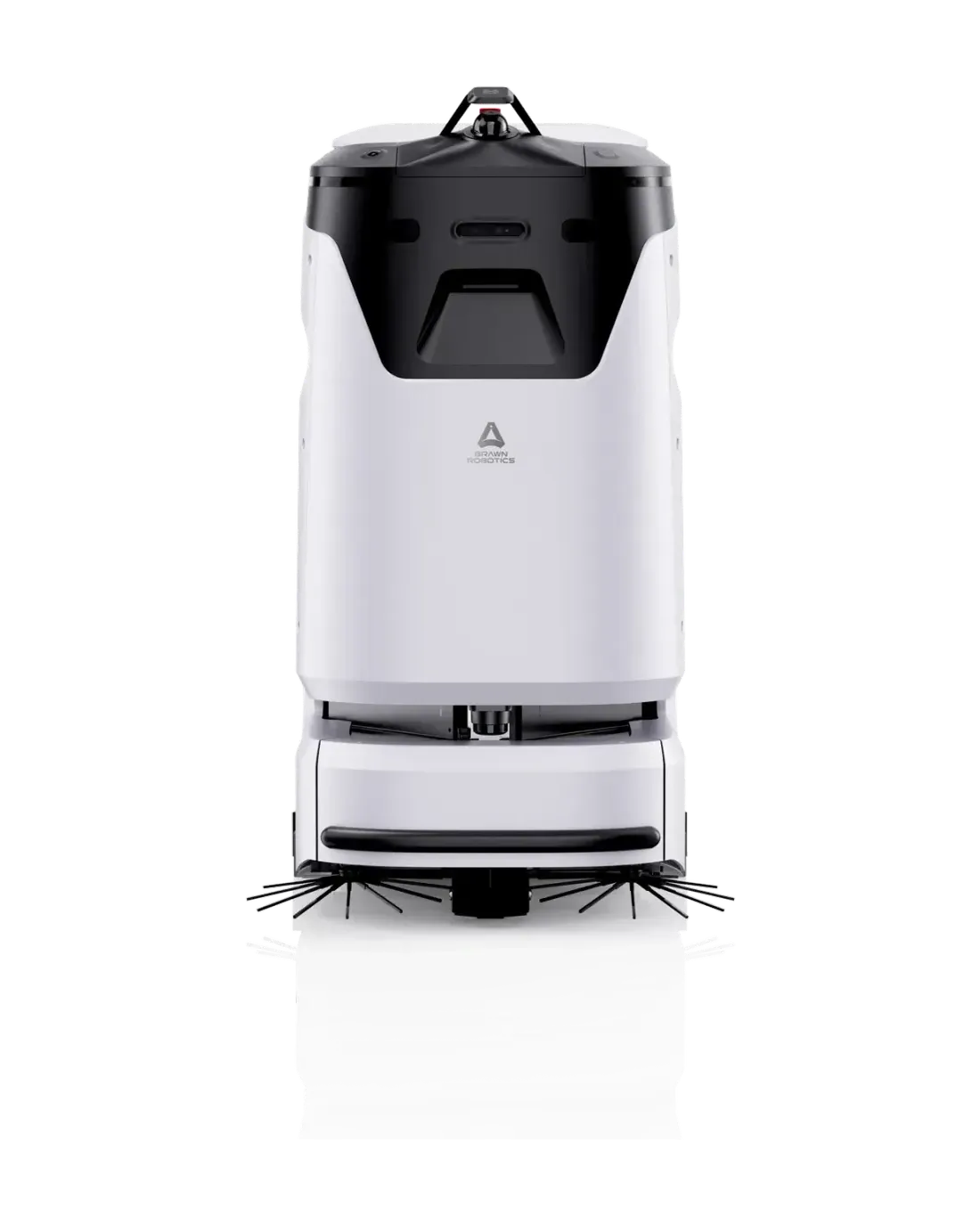
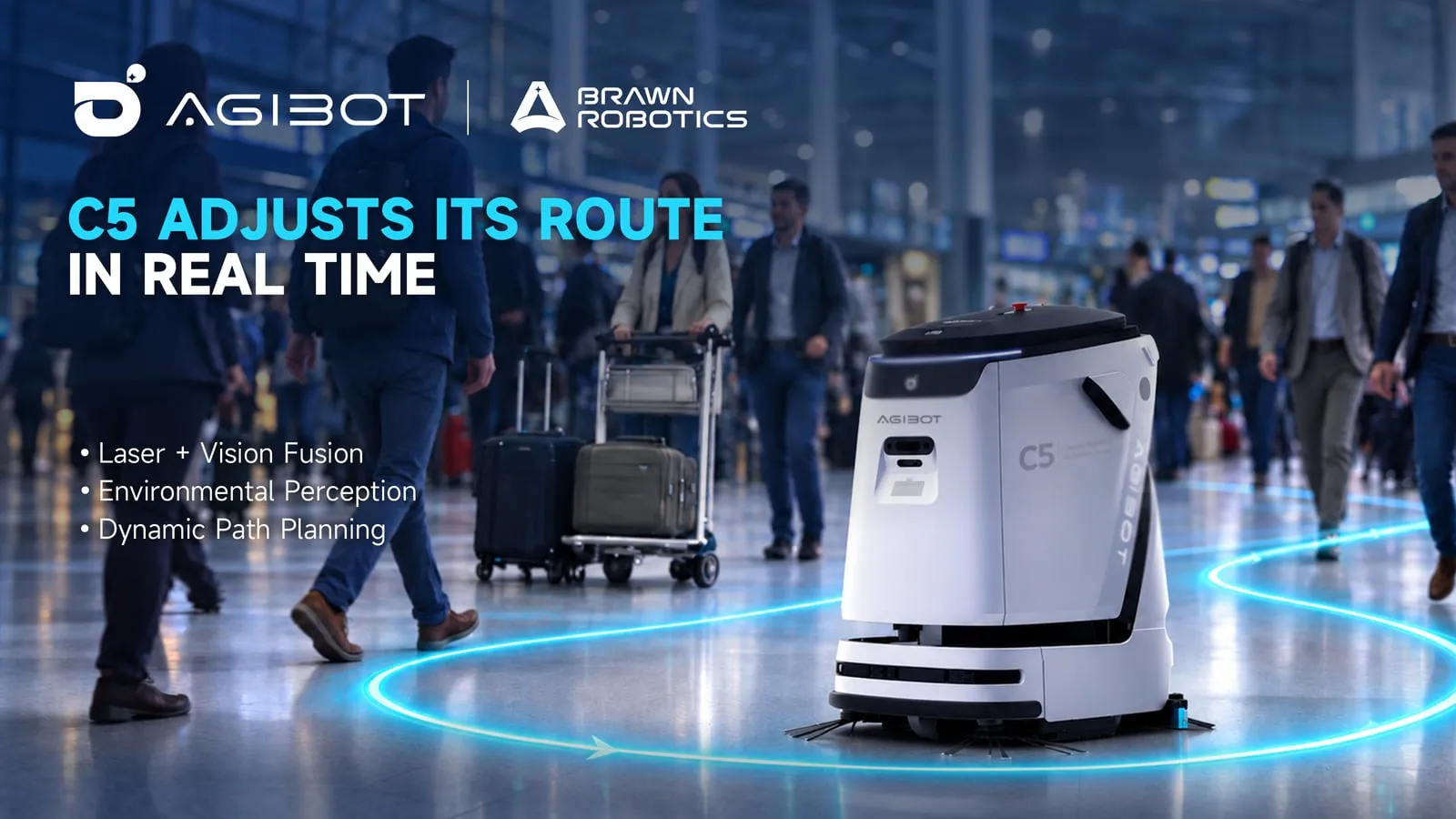
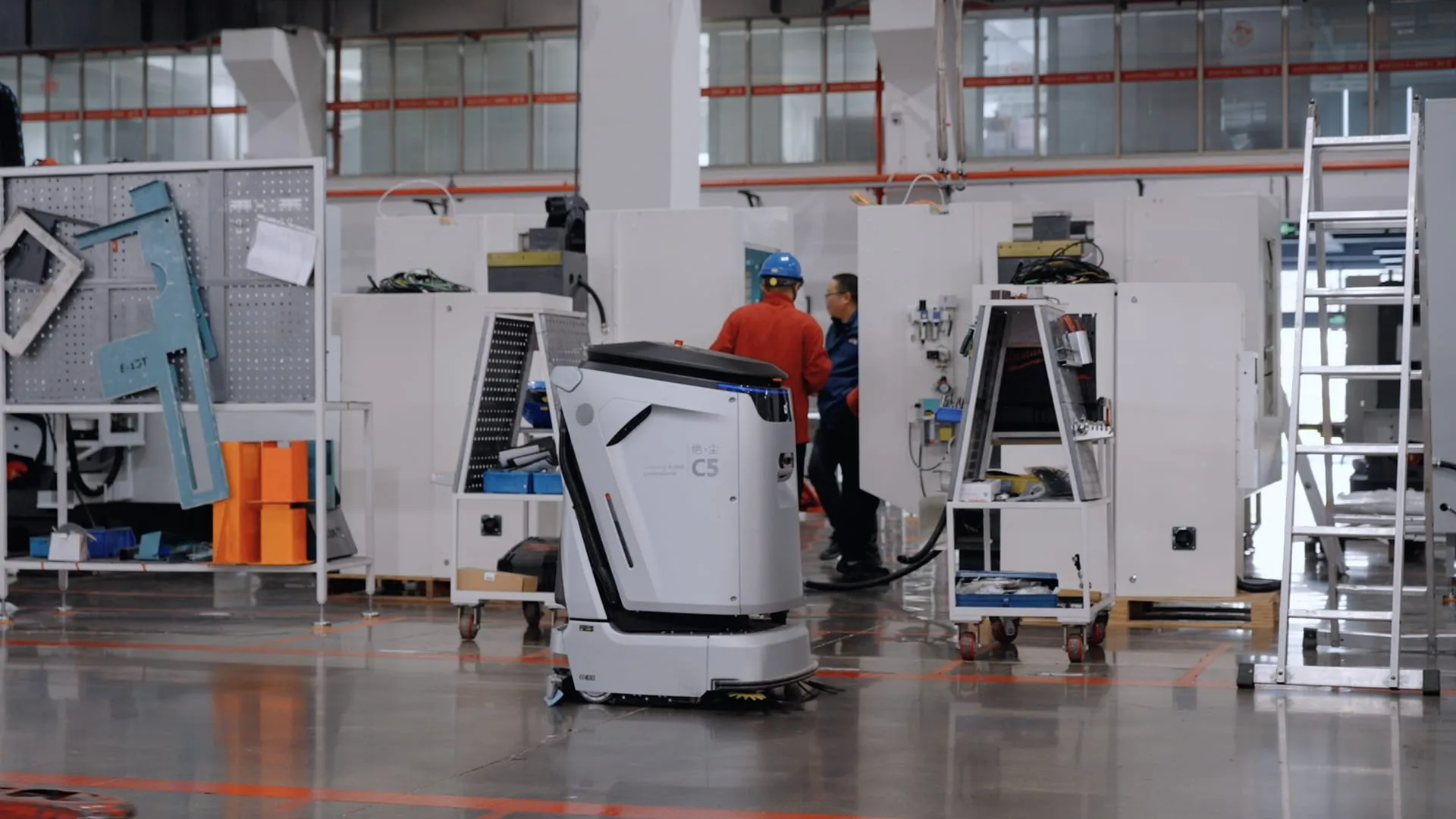
C5 uses a 2D LiDAR, four RGBD sensors and a fisheye camera; C2P adds line-laser and ultrasonic sensing for low or transparent obstacles. Recognition and local replanning run on board, so a blocked aisle becomes a detour rather than a stop.
Tasks, zones, coverage, exceptions and machine health are recorded. Cleaning performance becomes something you can check.
The station handles charging, water fill and drain, and roller-brush cleaning. That is what lets a machine work through the night without an operator.
Lift, access control and building-management interfaces are specified per site, so the robot can move through the building.
A free survey, sizing by area, remote diagnosis before a visit, and spare parts held locally.
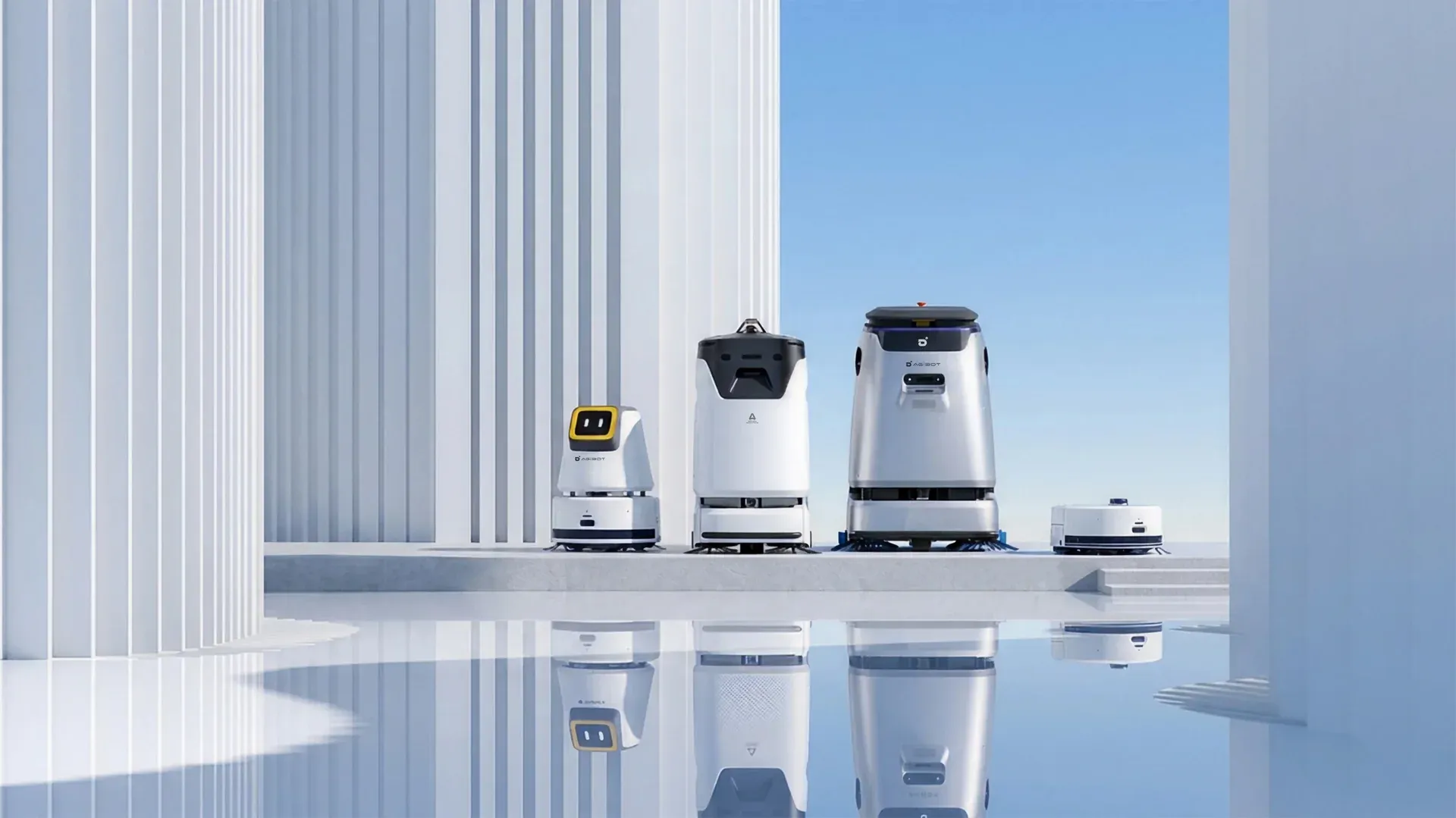
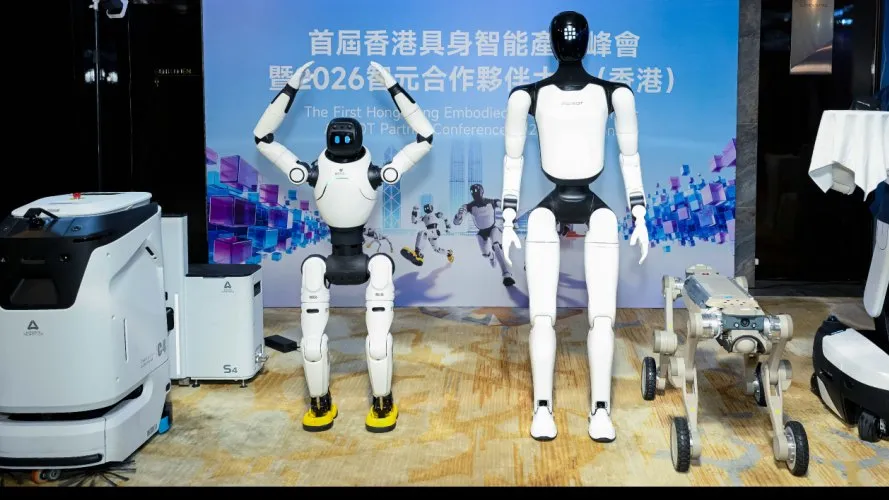
At the first Hong Kong Embodied AI Industry Summit on 12 May, the C4 and C5 shared a floor with humanoid robots: two answers to two kinds of space.
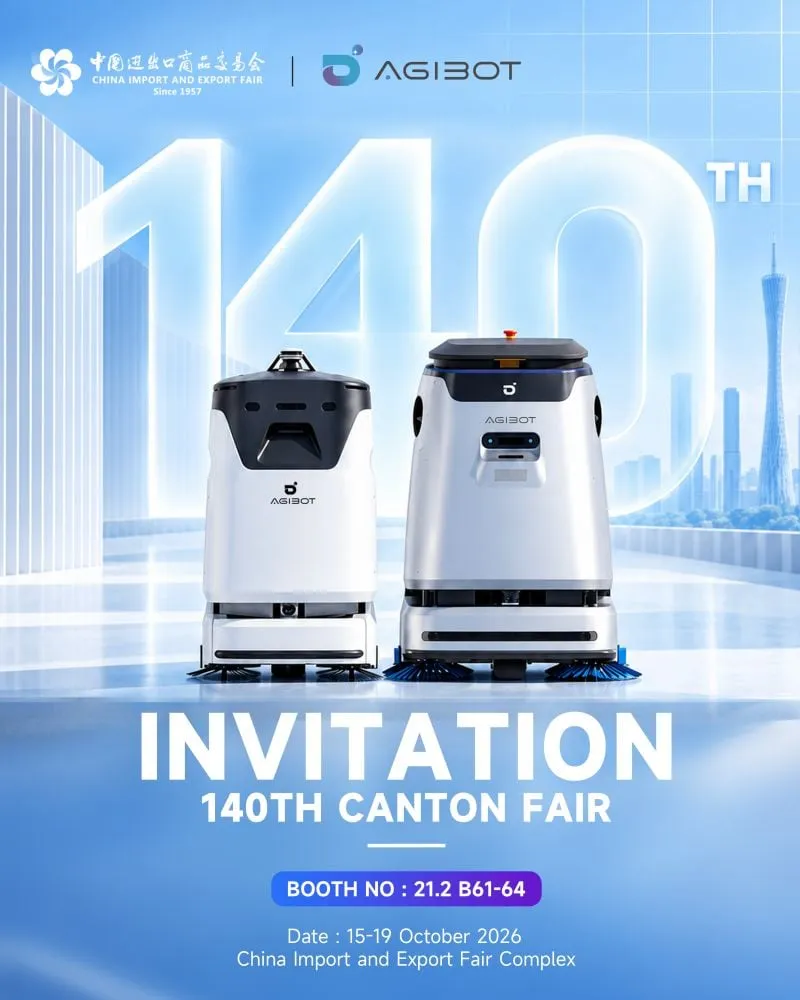
The 140th Canton Fair keeps moving — live cleaning demos, buyers from around the world, and conversations at Booth 21.2 B61–64 in Pazhou, Guangzhou.
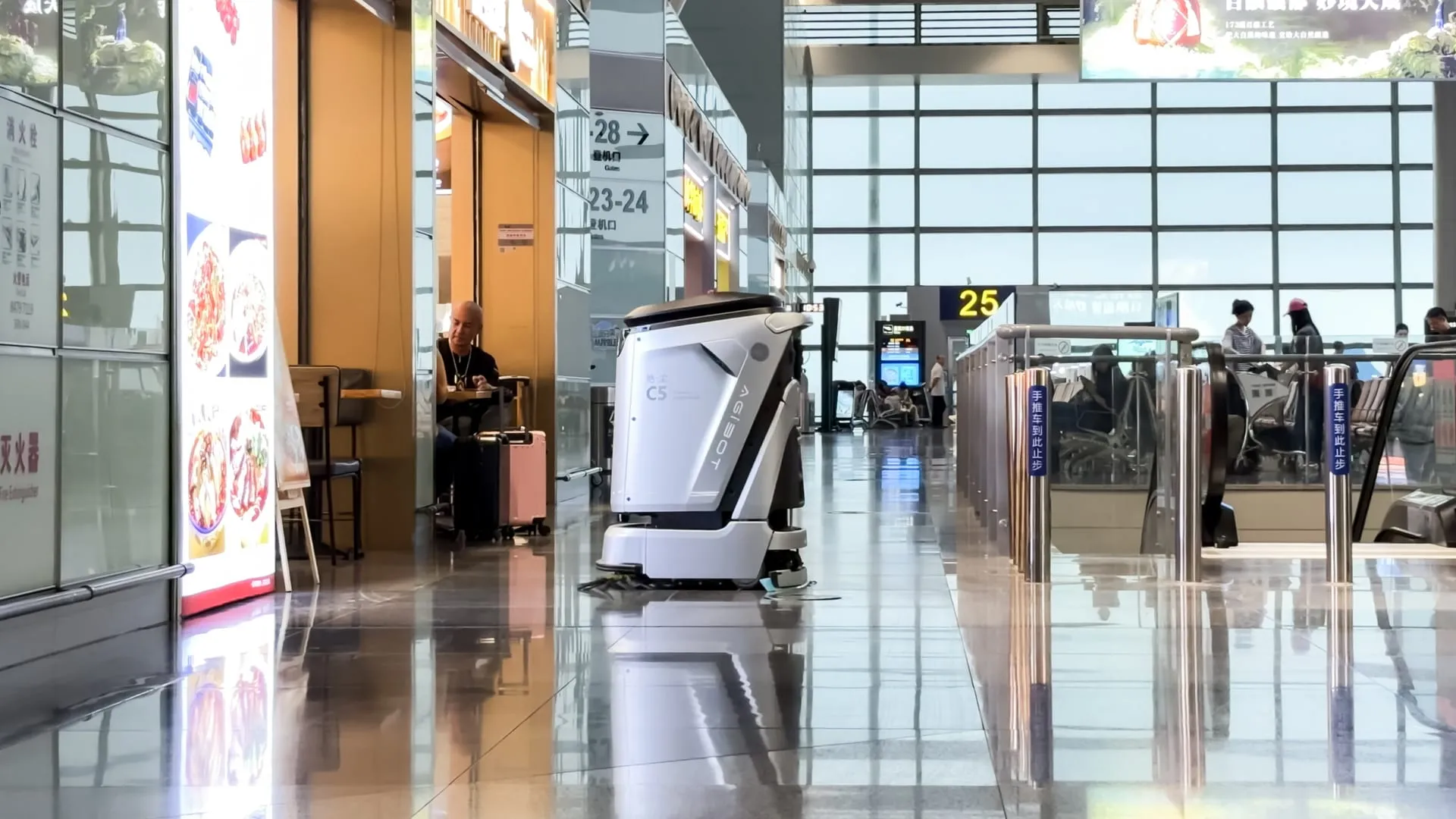
Passengers keep moving, luggage sits in the way and carts cross the route. How the AGIBOT C5 plans paths in real time instead of following one fixed line.
The ISSA Cleaning & Hygiene Expo 2026 closed in Melbourne — two days of demos, conversations about commercial cleaning, and thanks to everyone who visited.
AGIBOT cleaning robots return to the Canton Fair on October 15–19 in Guangzhou — live demos at Booth 21.2 B61–64, China Import and Export Fair Complex.
AGIBOT · BRAWN ROBOTICS joins the ISSA Cleaning & Hygiene Expo in Melbourne on October 8–9 — Booth 58, Bays 21–22, with the C4 and C5.
370 mm is the effective scrubbing width. With both side brushes, sweeping coverage is 510 mm. The body width without side brushes is also 510 mm.
One-way passage is 900 mm, a right-angle turn requires 1,200 mm, and the turning radius in scrubbing mode is 1,720 mm. Check all three against the actual route, not only the doorway.
Automatic charging at the station takes about 1.5 h and is rated at 1,800 W. Manual charging is 1,200 W with a 1,500 W peak.
The robot has two 45 L tanks: 45 L clean water and 45 L wastewater. The combined 90 L capacity should not be described as 90 L of clean water.
The iOS/Android app has separate cleaning-staff and delivery/operations roles. Cleaning staff get local settings, task reports and alarms; operations get live location, remote control, map management and data reports. Device and function permissions can be assigned by role.
Both are optional station functions. The station dustbin holds 10 L and is emptied manually; the robot body dustbin holds 1.1 L. Mop drying can be switched on or off in the platform, and its power, duration and noise are not published.
The station requires a grounded 220 V~/50 Hz socket, water inlet at 0–0.7 MPa with the supplied pressure reducer and filter, a nearby drain and stable Wi-Fi. Leave about 2 × 1.5 m in front for docking and avoid direct sunlight and damp areas.
OTA is supported. A partner can push updates automatically through the deployment software during idle time, or a person can confirm an update through the cloud platform. The robot must be online with a stable connection. OTA is free, usually every two to three months, subject to the release schedule.
Tell us the venue and floor area. We will come back with a model mix, a zone plan and a time to see the machine run.