Infection prevention
Pathogens, blood and body fluids must be thoroughly removed to prevent cross-infection, with verifiable disinfection processes that withstand near zero-tolerance audits.
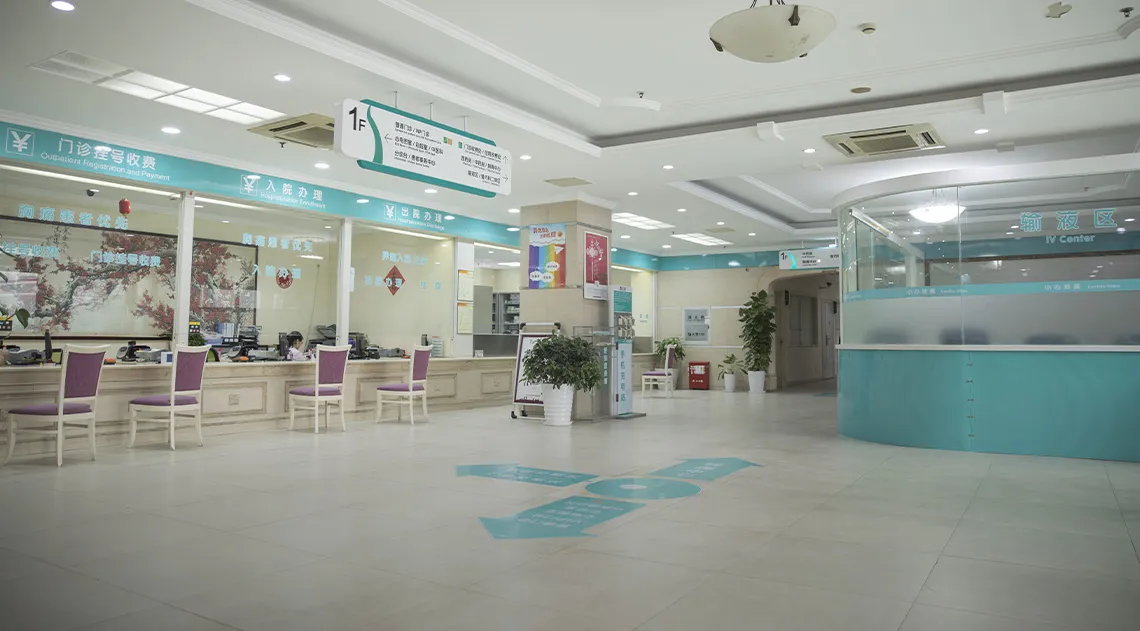
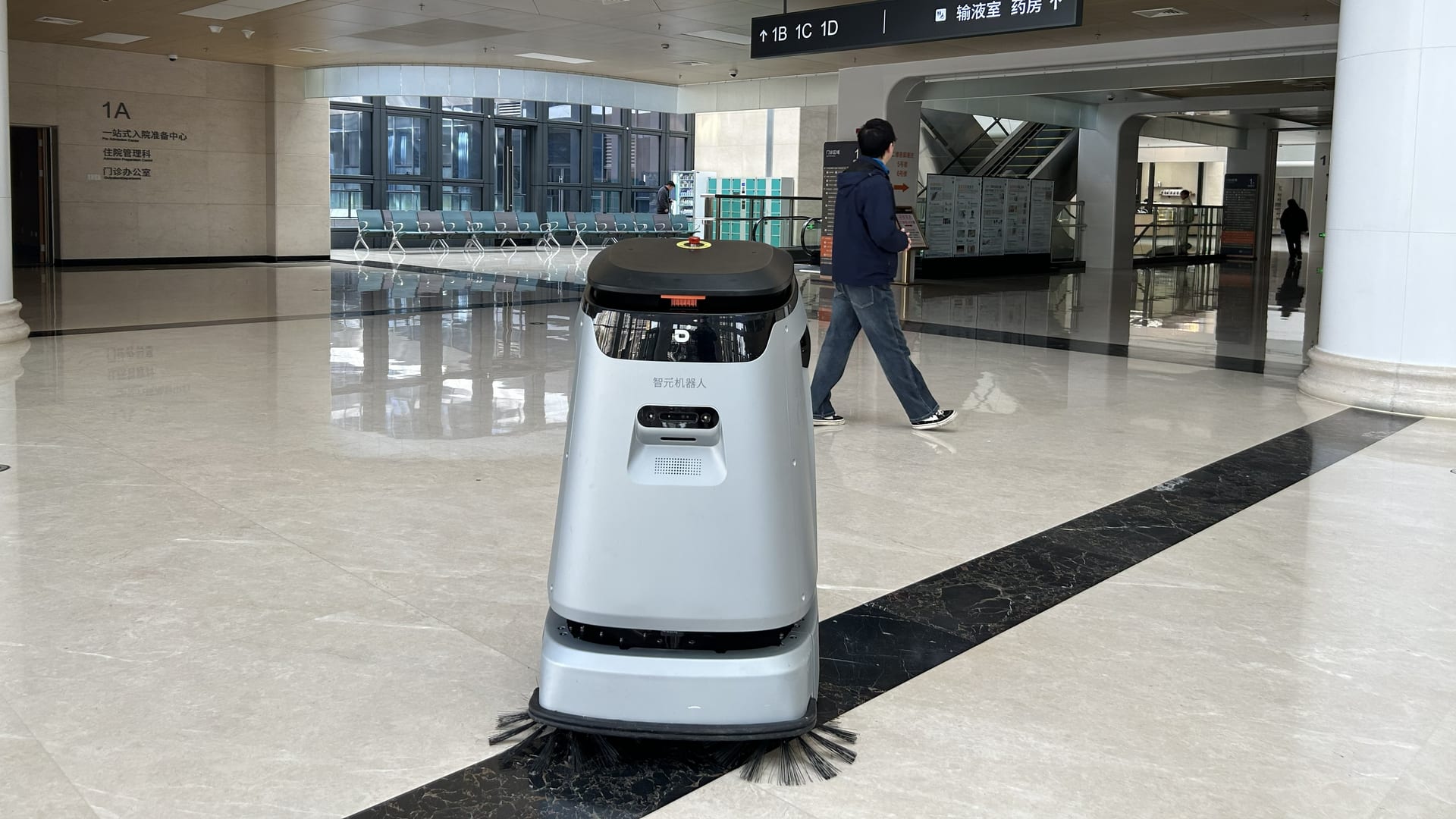
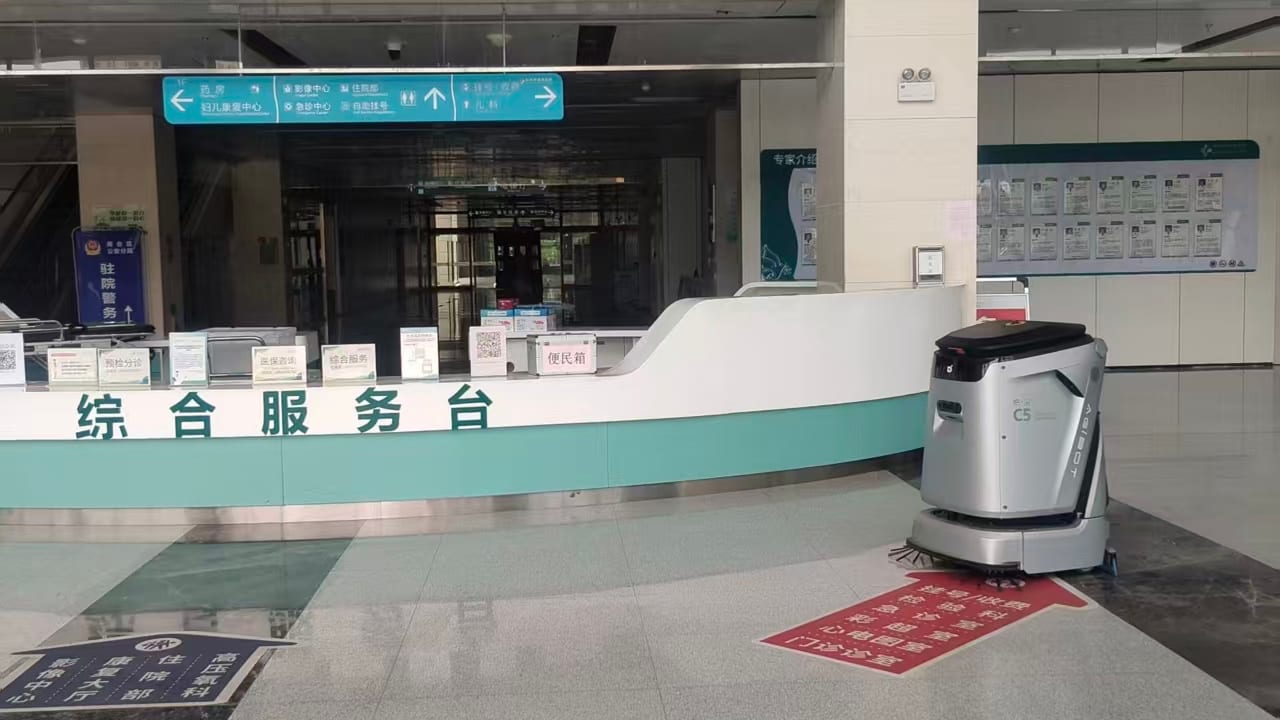
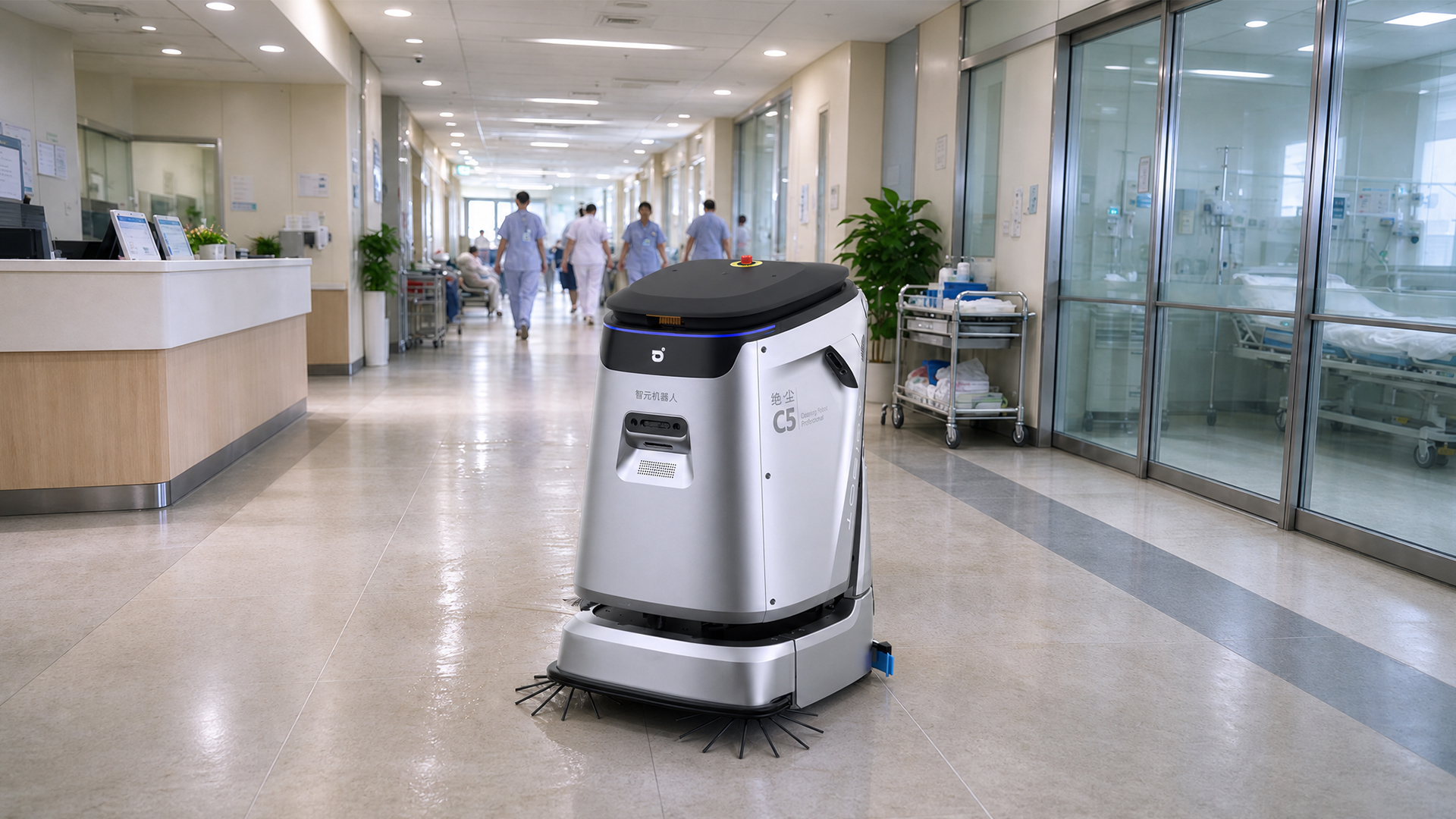
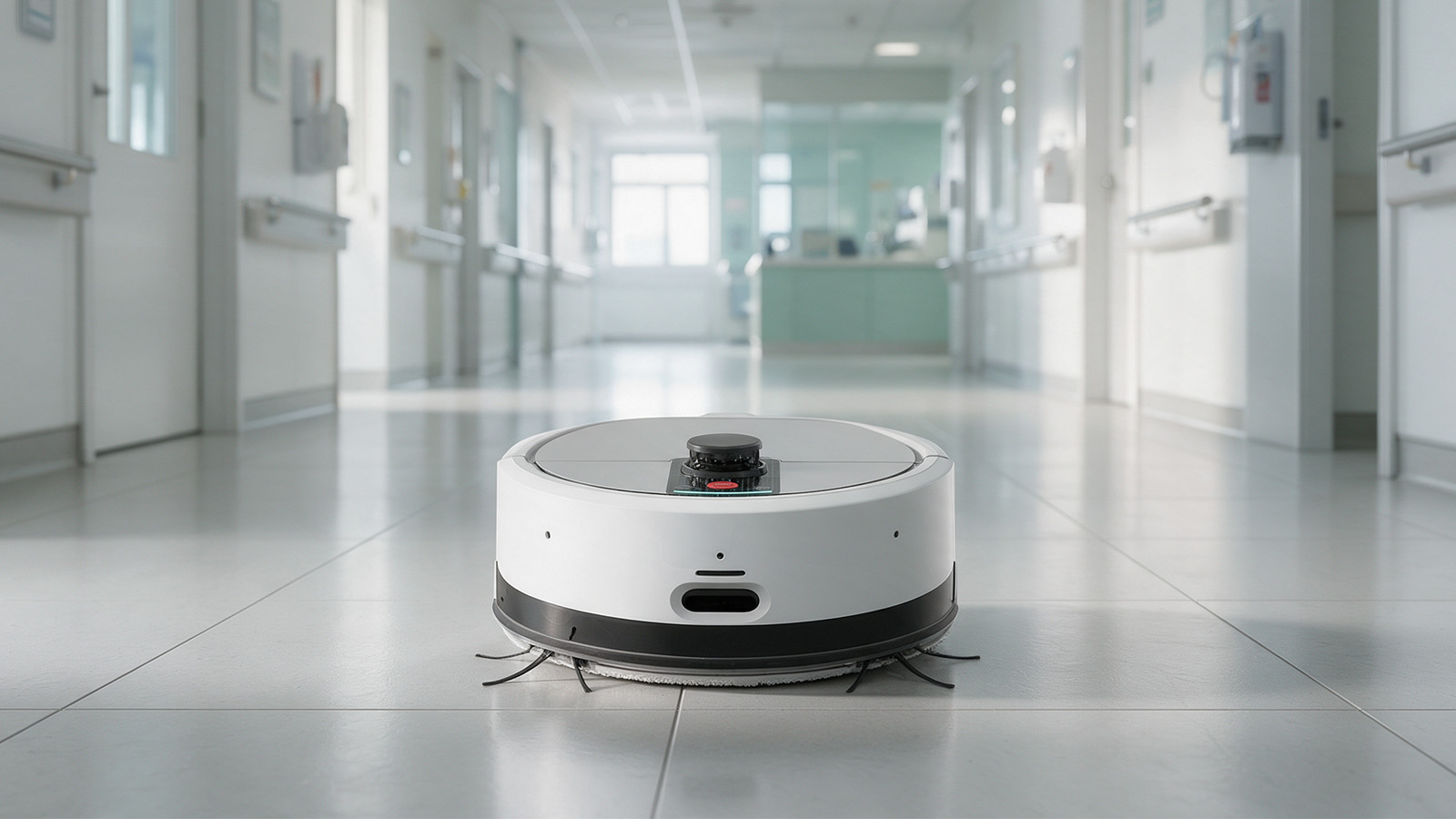
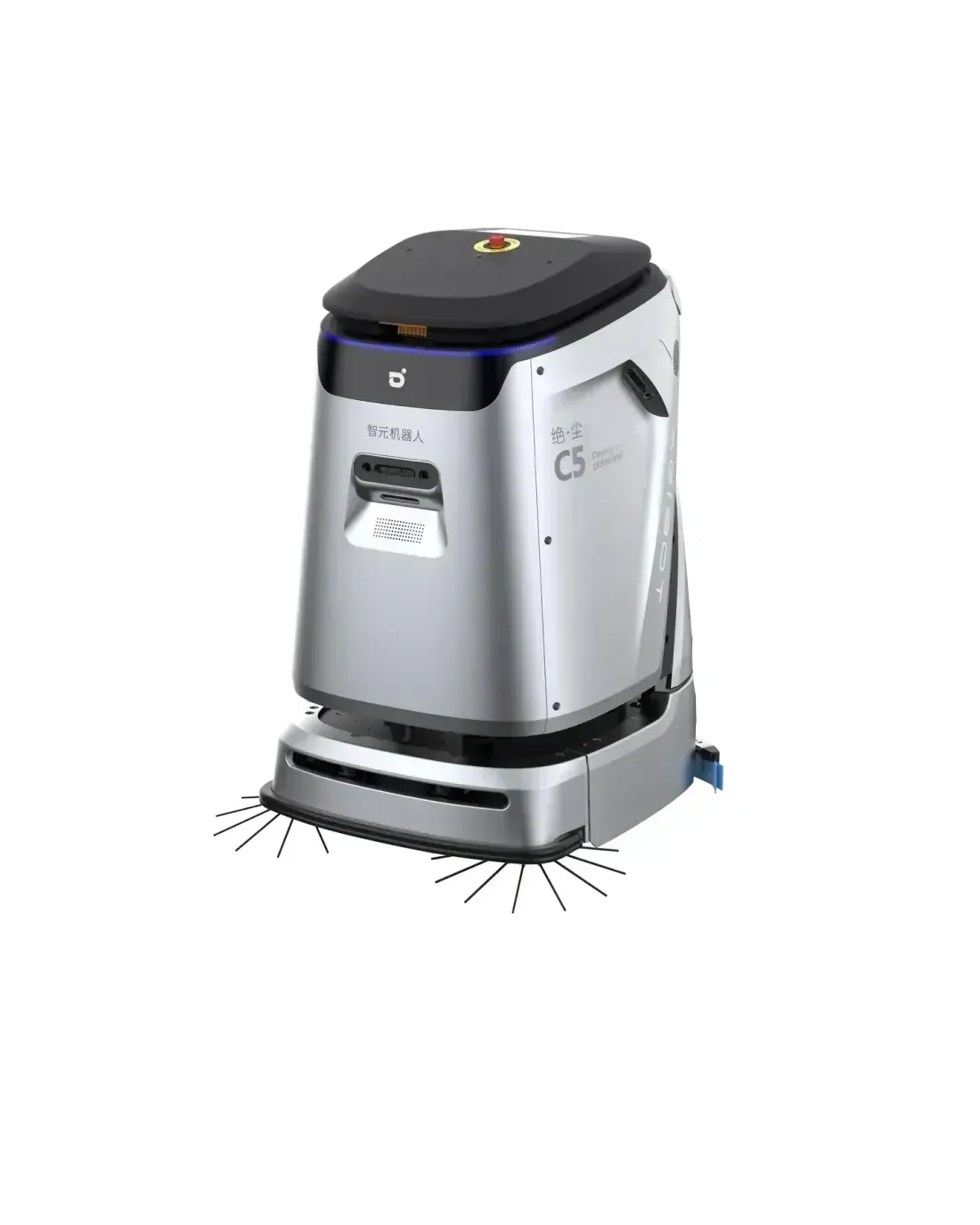
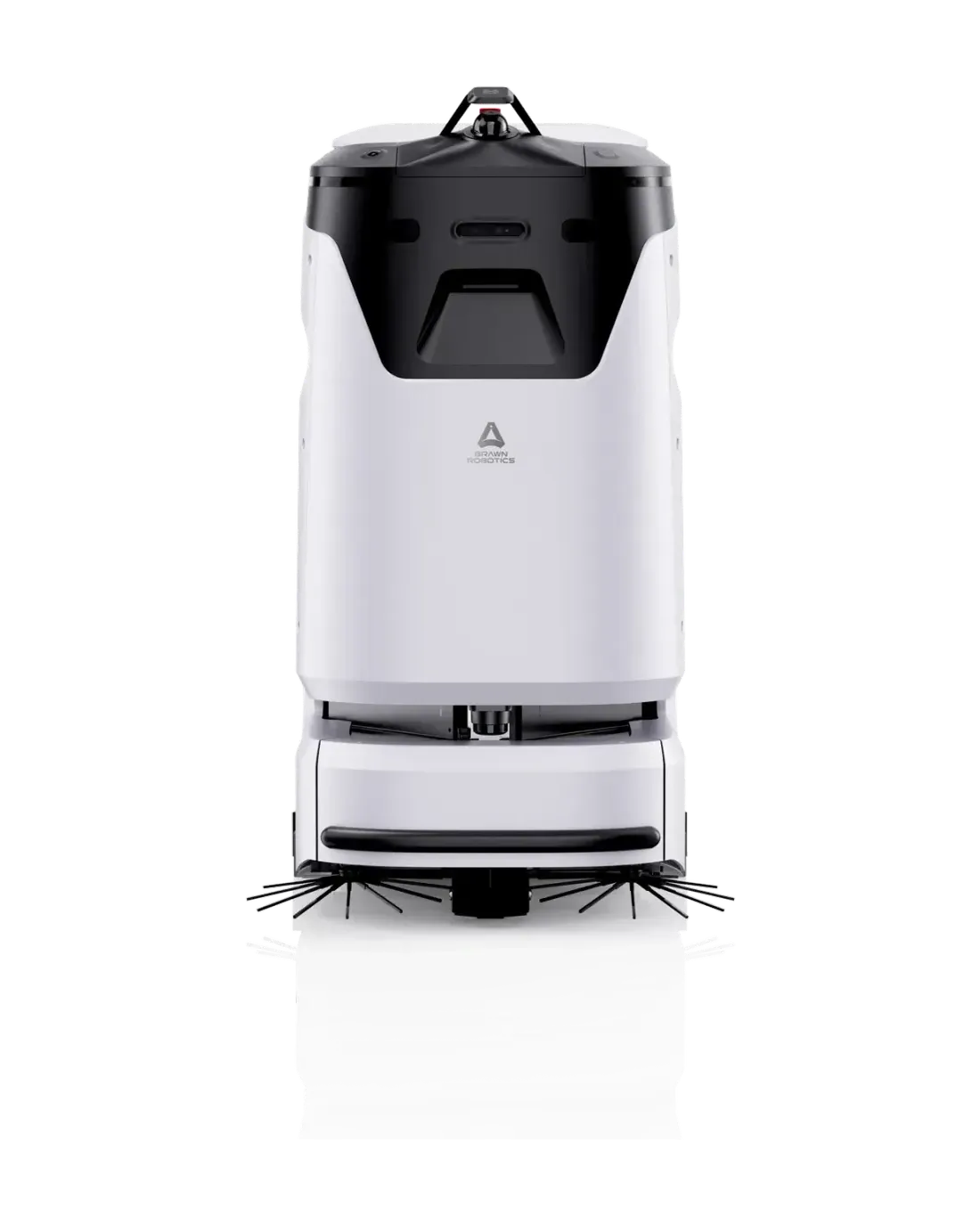
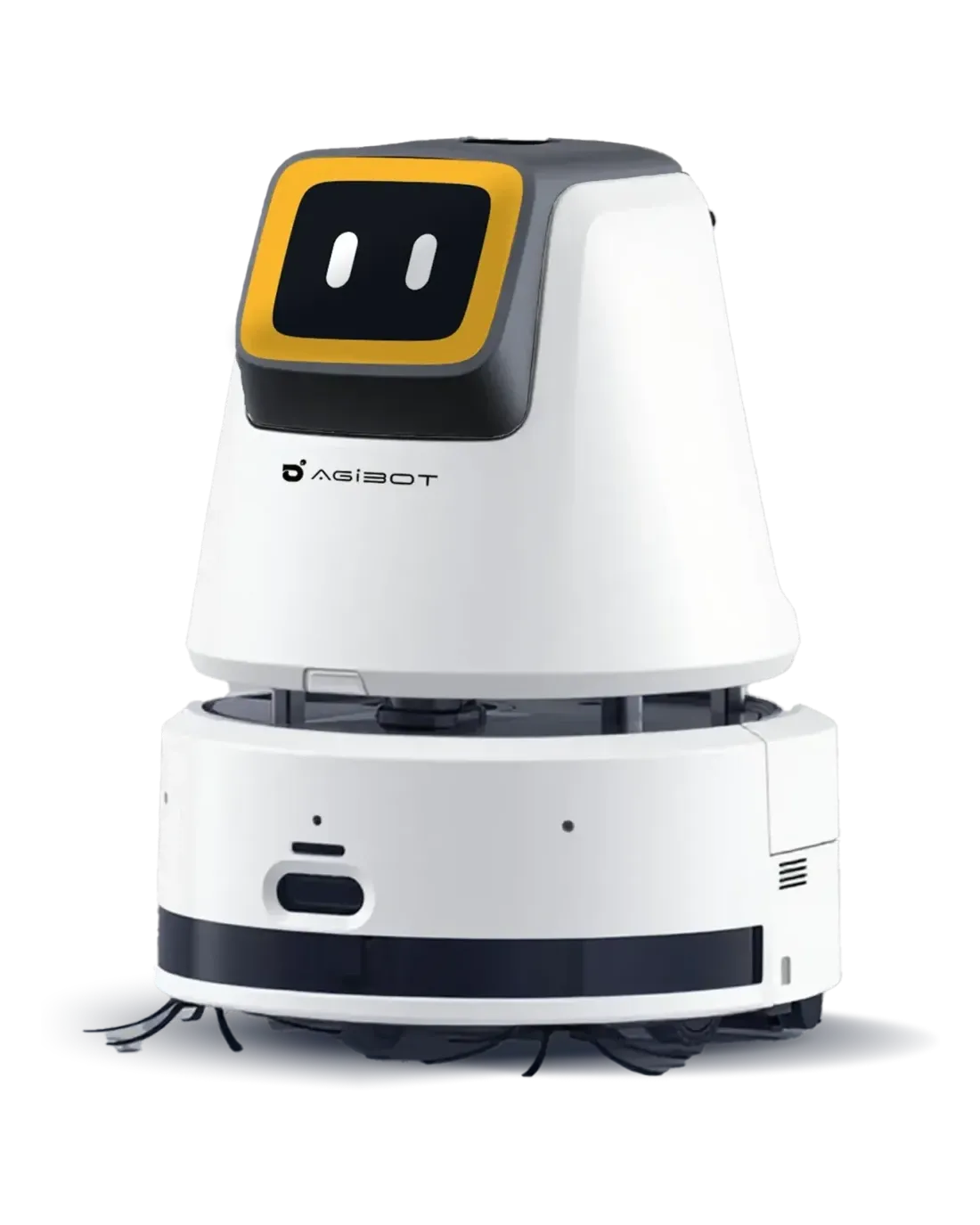
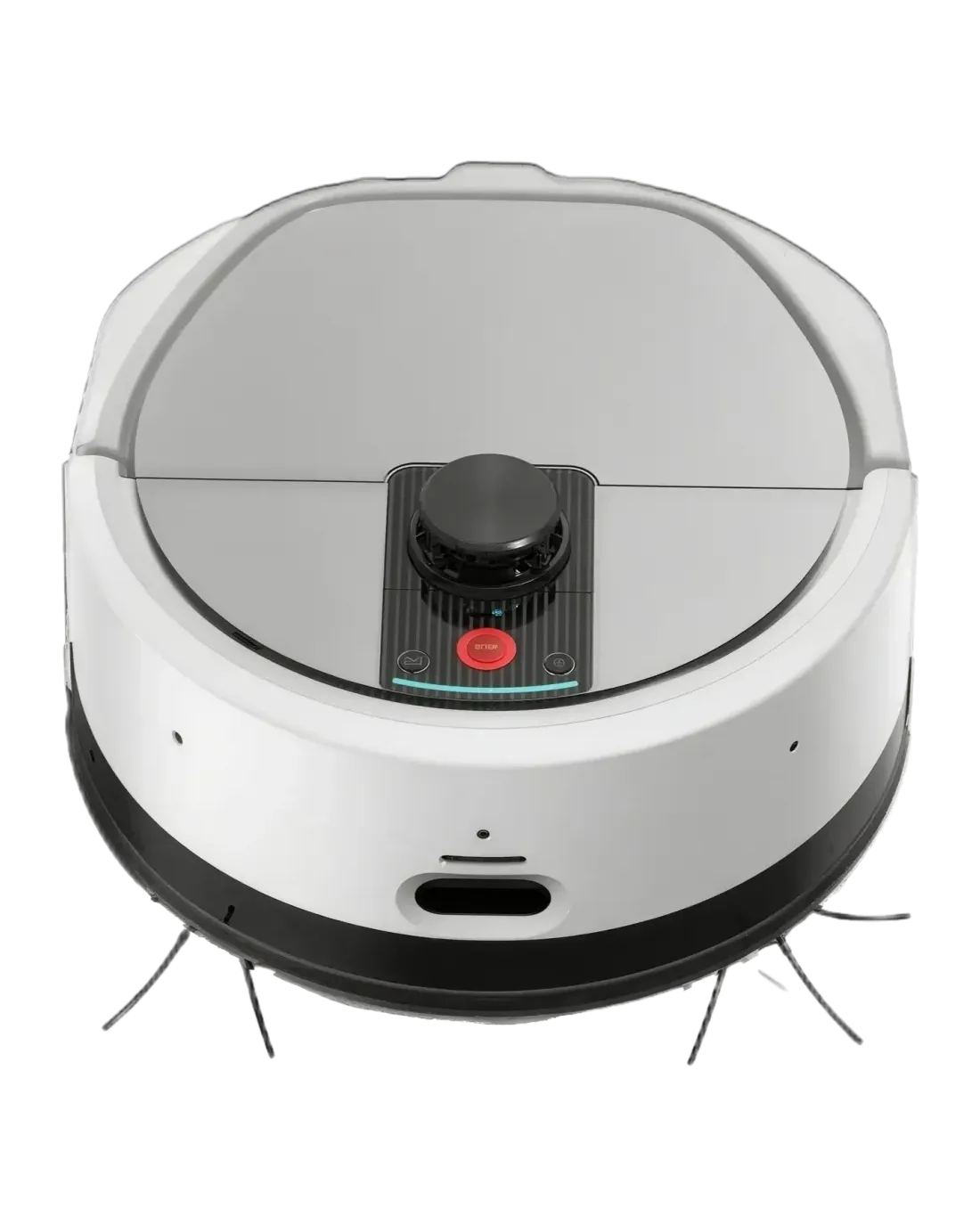
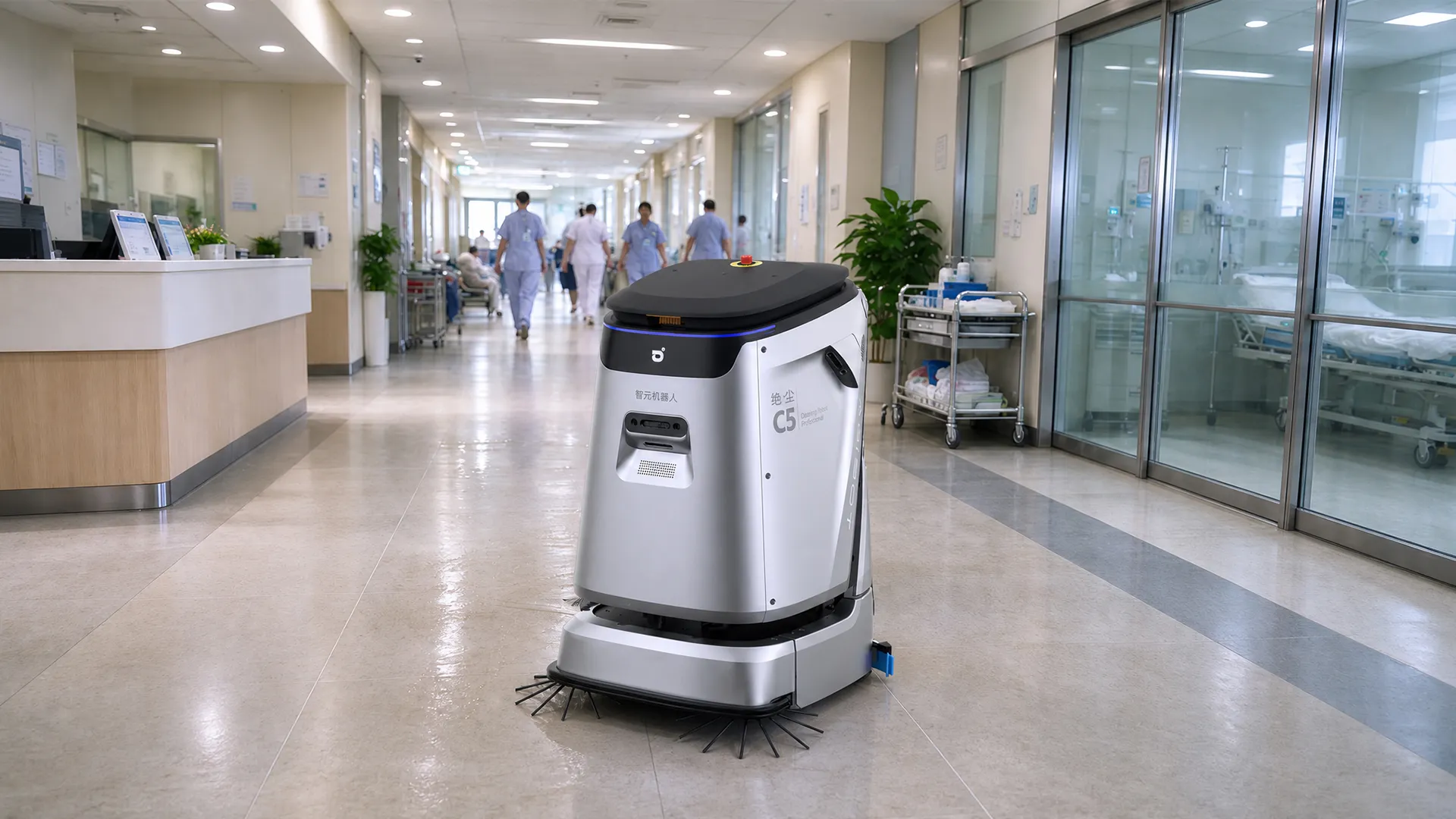
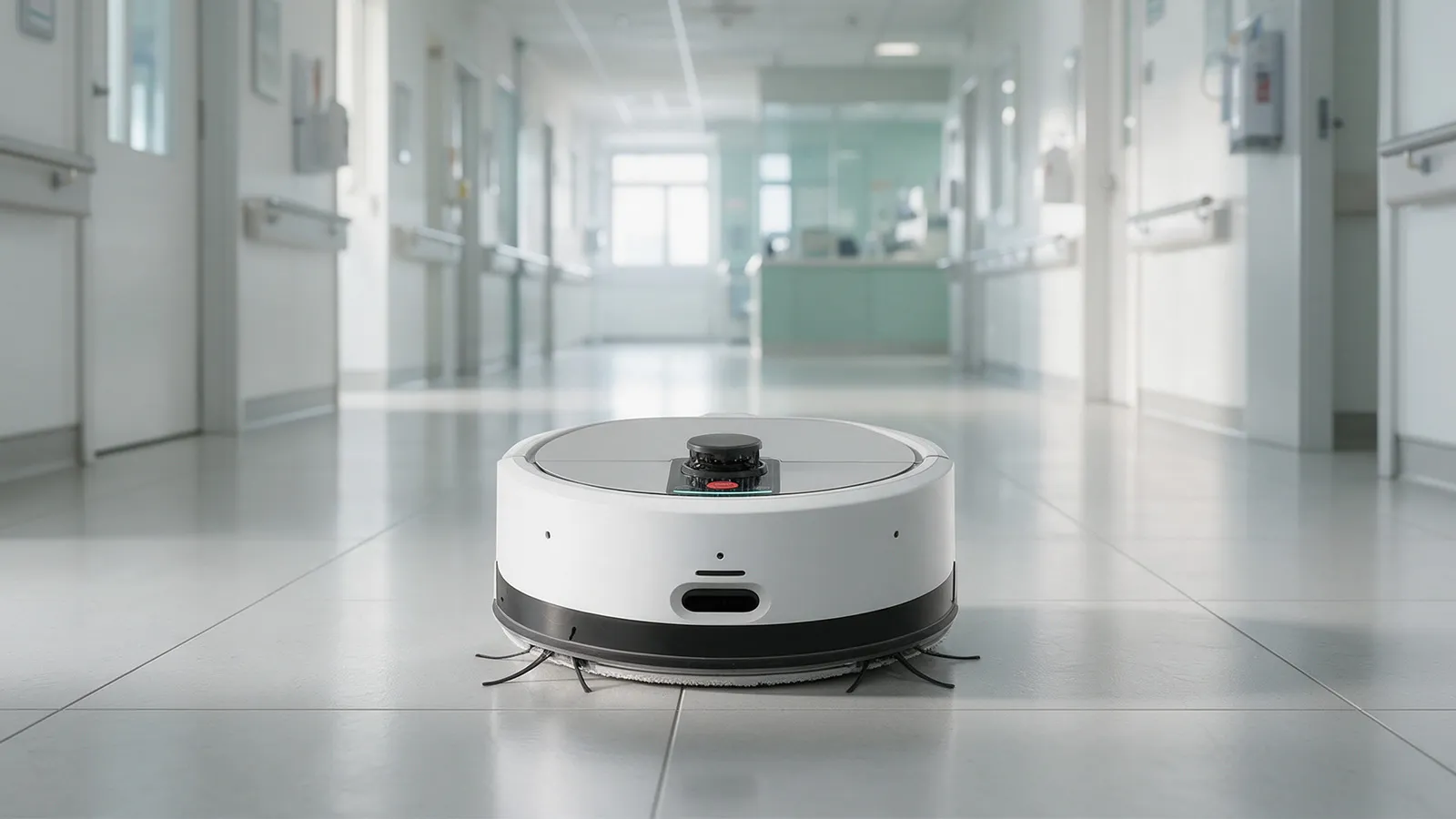
Infection control is audited, wards are noise-sensitive, and cleaning under beds means long periods of bending. C5 handles public-area scrubbing; C2 wet-mops wards quietly.
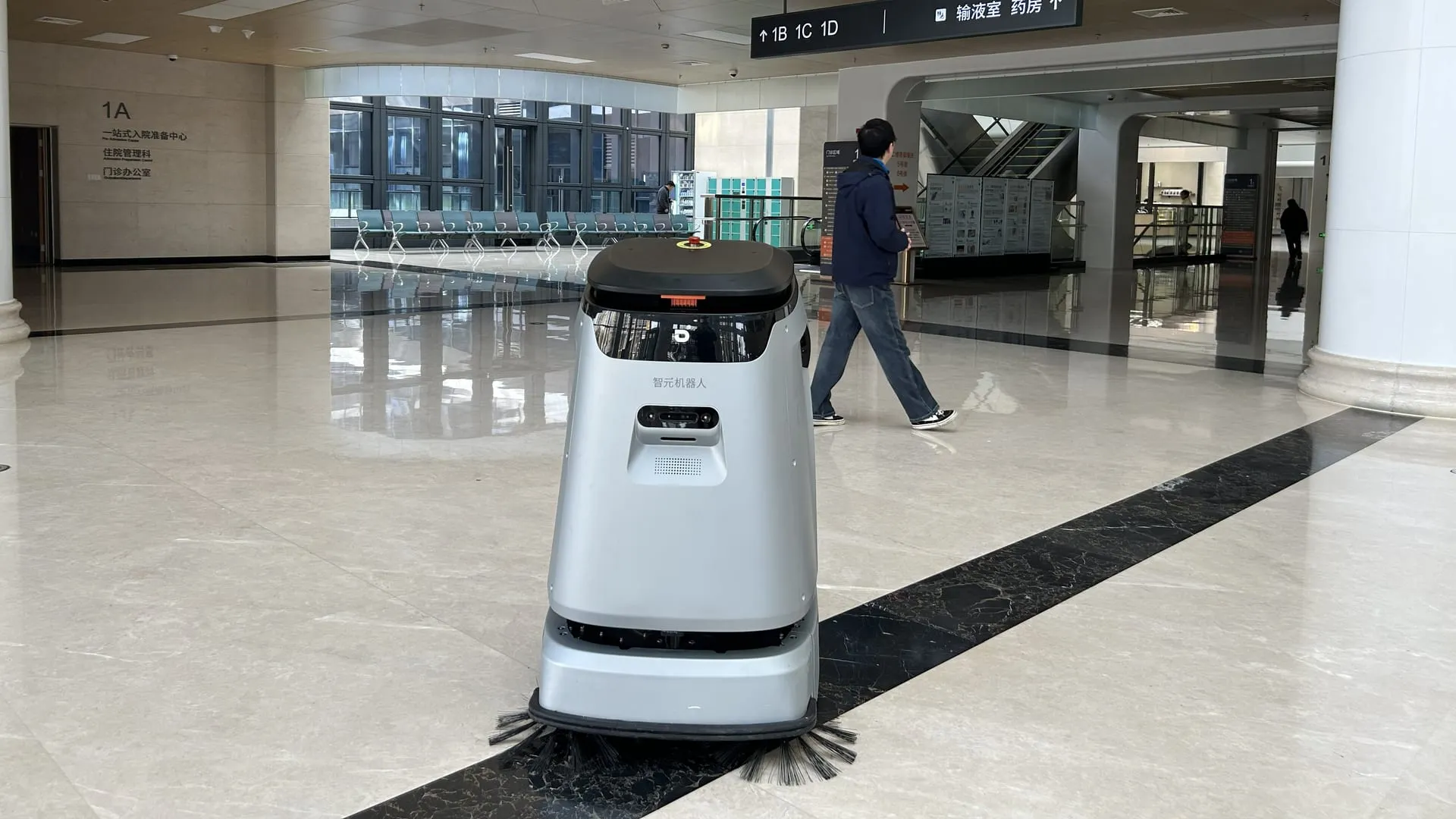
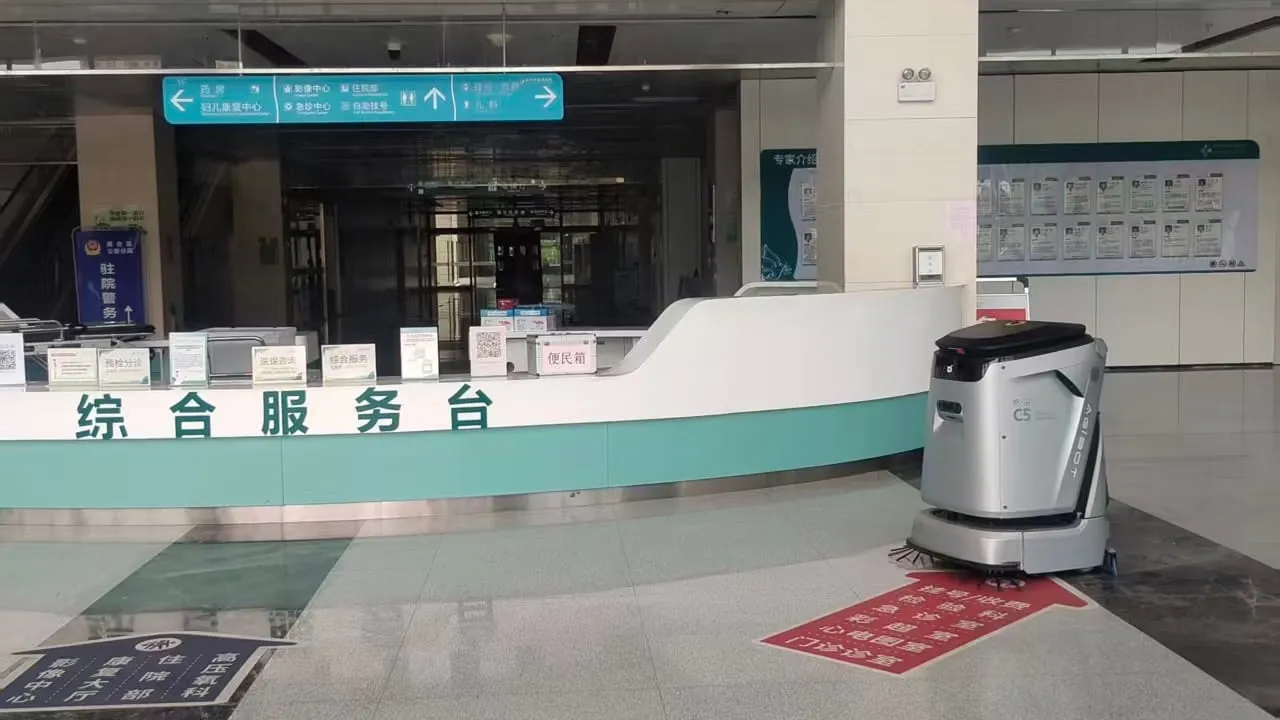
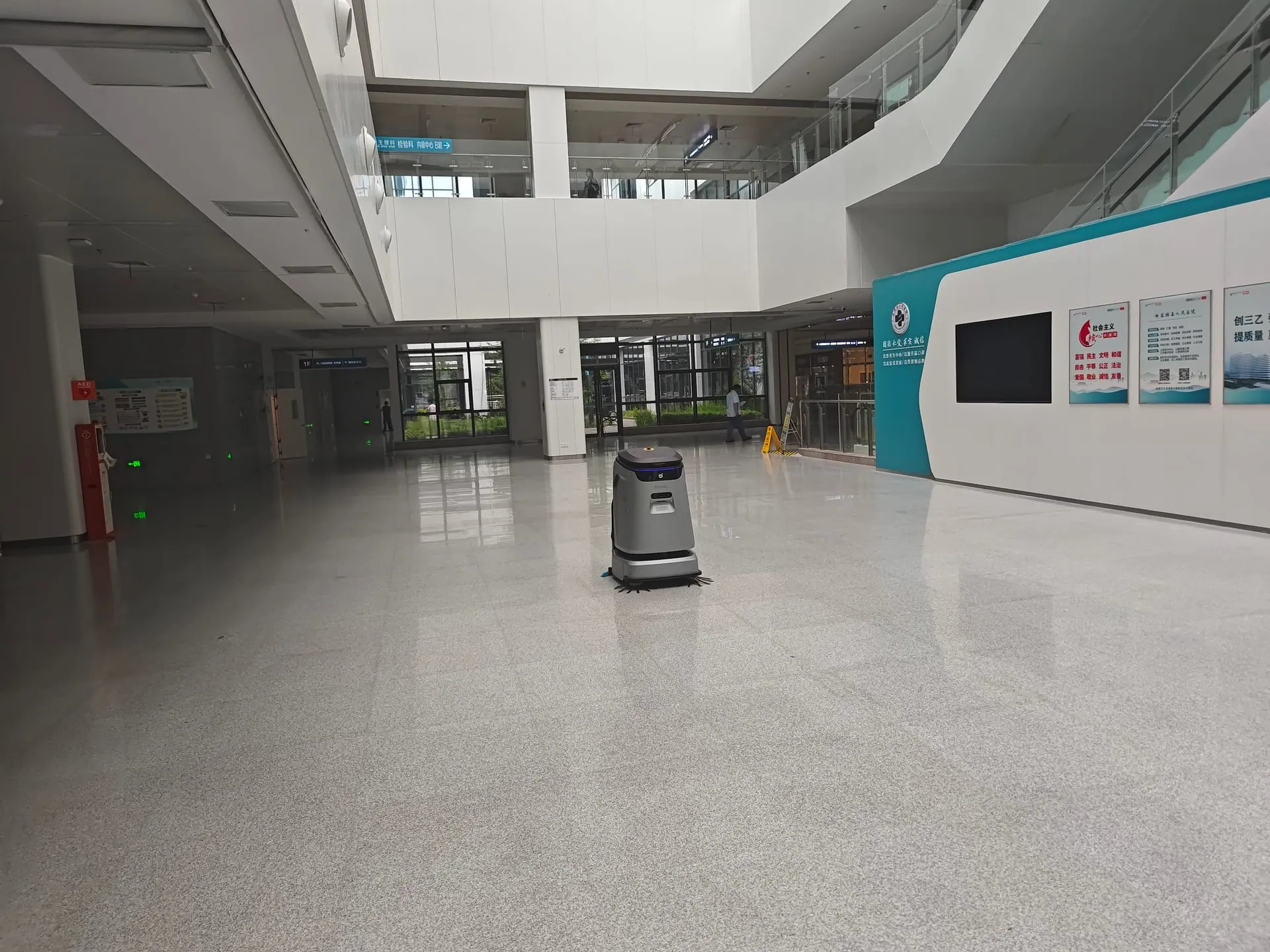
Oil, dust, footfall and the hours you can clean decide the plan before a model does.
Pathogens, blood and body fluids must be thoroughly removed to prevent cross-infection, with verifiable disinfection processes that withstand near zero-tolerance audits.
Sterile and high-risk zones such as operating rooms and ICUs, high-touch surfaces, and hard-to-clean equipment gaps each need different handling.
Staff face exposure to pathogens, strong disinfectants and sharps, while emergency cleaning demands fast turnaround without compromising patient care.
The machines, the zones they cover and the records that prove what happened.
Three choices that change how the site runs.
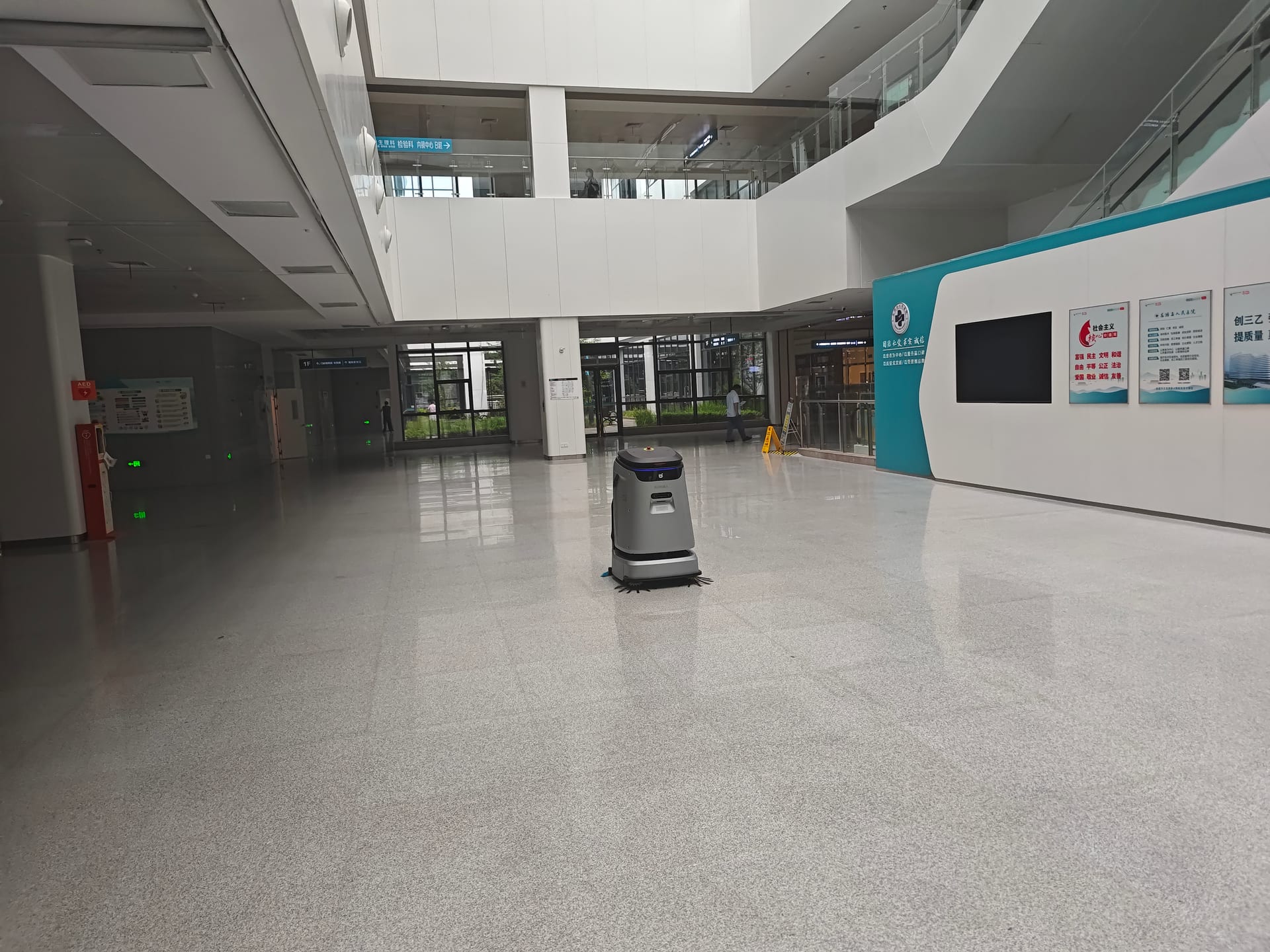
C5 scrubs lobbies and public areas; C2 handles inpatient wards and administrative buildings with quiet wet mopping.
C2 wet-mops quietly, so overnight work does not disturb patients, and it reaches under beds where staff would otherwise bend.
Deep-learning algorithms reliably detect and avoid wheelchairs, stretchers and pedestrians.
The same work, before and after, on the metrics that matter to this site.
| Metric | Manual cleaning | With BRAWN robots |
|---|---|---|
| Manual cleaning load (single floor) | Multiple manual passes per floor | C5 and C2 cover ward cleaning together |
| Lobby cleaning frequency | 1 manual scrub per day | At least 2 scrubs per day |
| Residual water | Wet floors increase slip risk | Dual-chamber squeegee leaves less water |
| Physical strain | Long periods bending under beds | Robots take the repetitive work |
Comparison figures are typical-scenario estimates from the solution handbook, not client measurements.
From the first survey to a running fleet: the same four steps on every project.
A walk-through of areas, surfaces, obstacles, lift and access-control conditions, plus the plumbing available for a docking station.
Model mix, zone plan, cleaning frequency and consumable estimate. A labour comparison is included only when the customer supplies a reliable baseline; the current answer set has no verified before-and-after labour case.
Staging plan, charging and docking positions, network and lift integration scope, and a training schedule for the operating team.
The cloud platform reports equipment status and faults, and self-check covers sensors, motors and the main controller. Partners receive remote technical support for genuine product faults; site-network, water or drainage problems remain site responsibilities.
The next scenarios in the line.