Oil that cured overnight
Machining centres leaked oil onto the floor, where it bonded with metal chips. Under continuous production it hardened into a film that made walkways sticky and slippery.

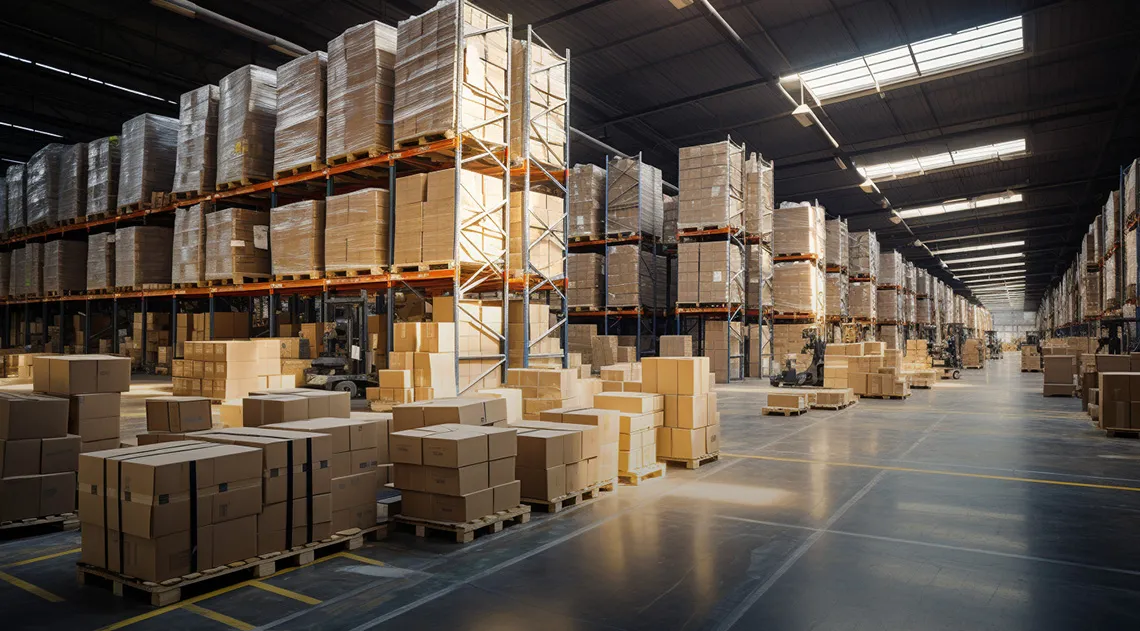
Machining oil mixed with metal chips had cured into a slippery film. Mops could not strip it, and the plant struggled to keep cleaners on the job.
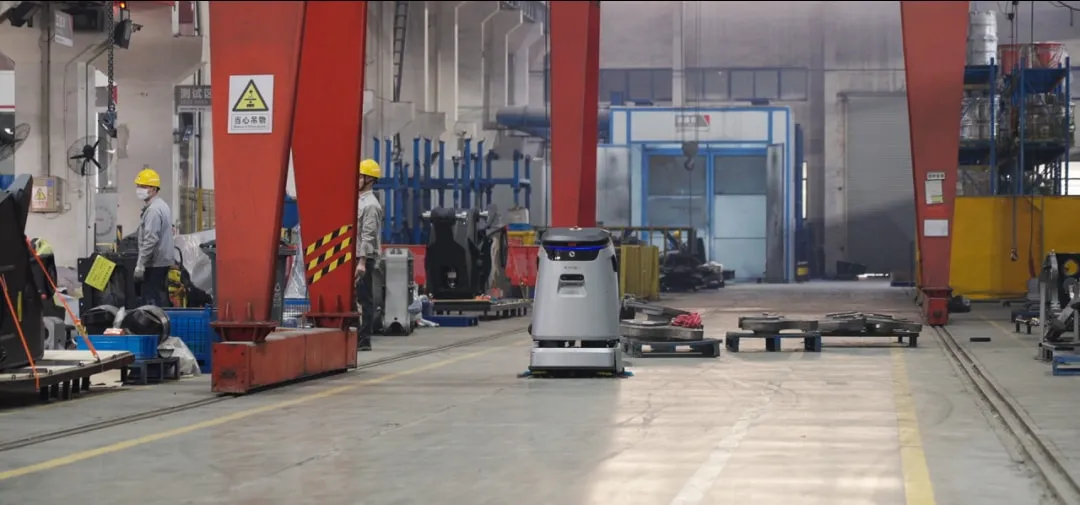
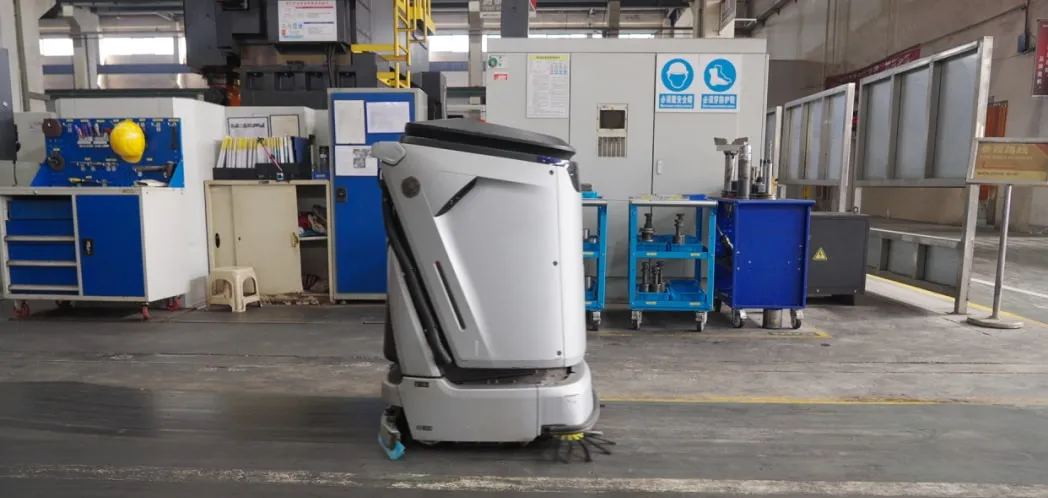
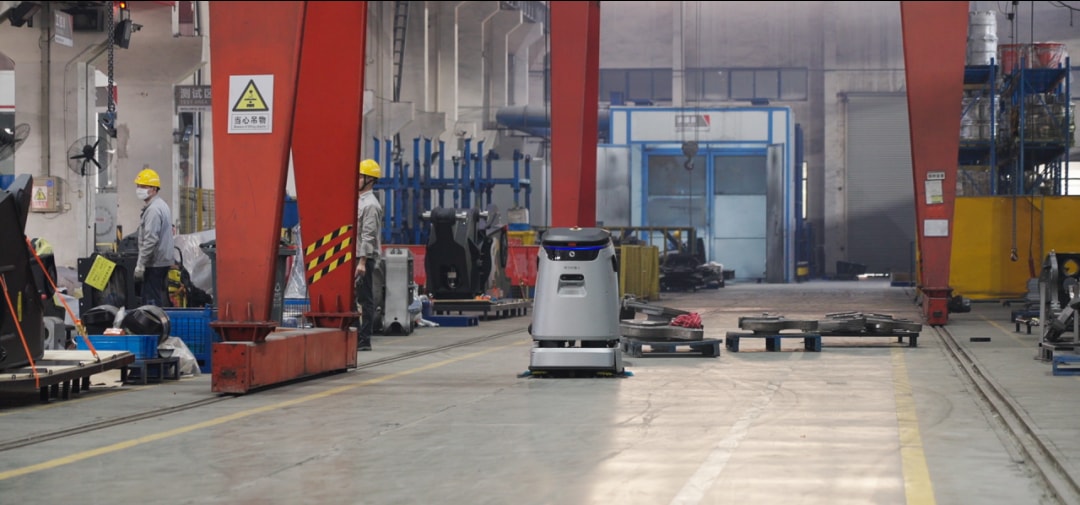
What the site looked like before the robots arrived.
A heavy-machinery plant · 2,000 m² machining workshop
Machining centres leaked oil onto the floor, where it bonded with metal chips. Under continuous production it hardened into a film that made walkways sticky and slippery.
Heavy-oil cleaning is physically demanding and recruitment was difficult. Coverage, cleaning quality and consumable costs all suffered at once.
How the machines were put to work.
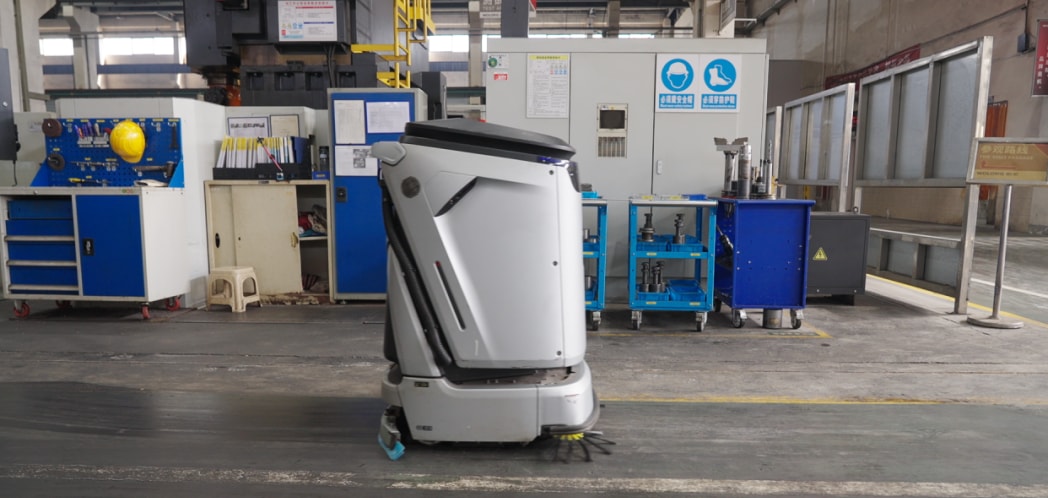
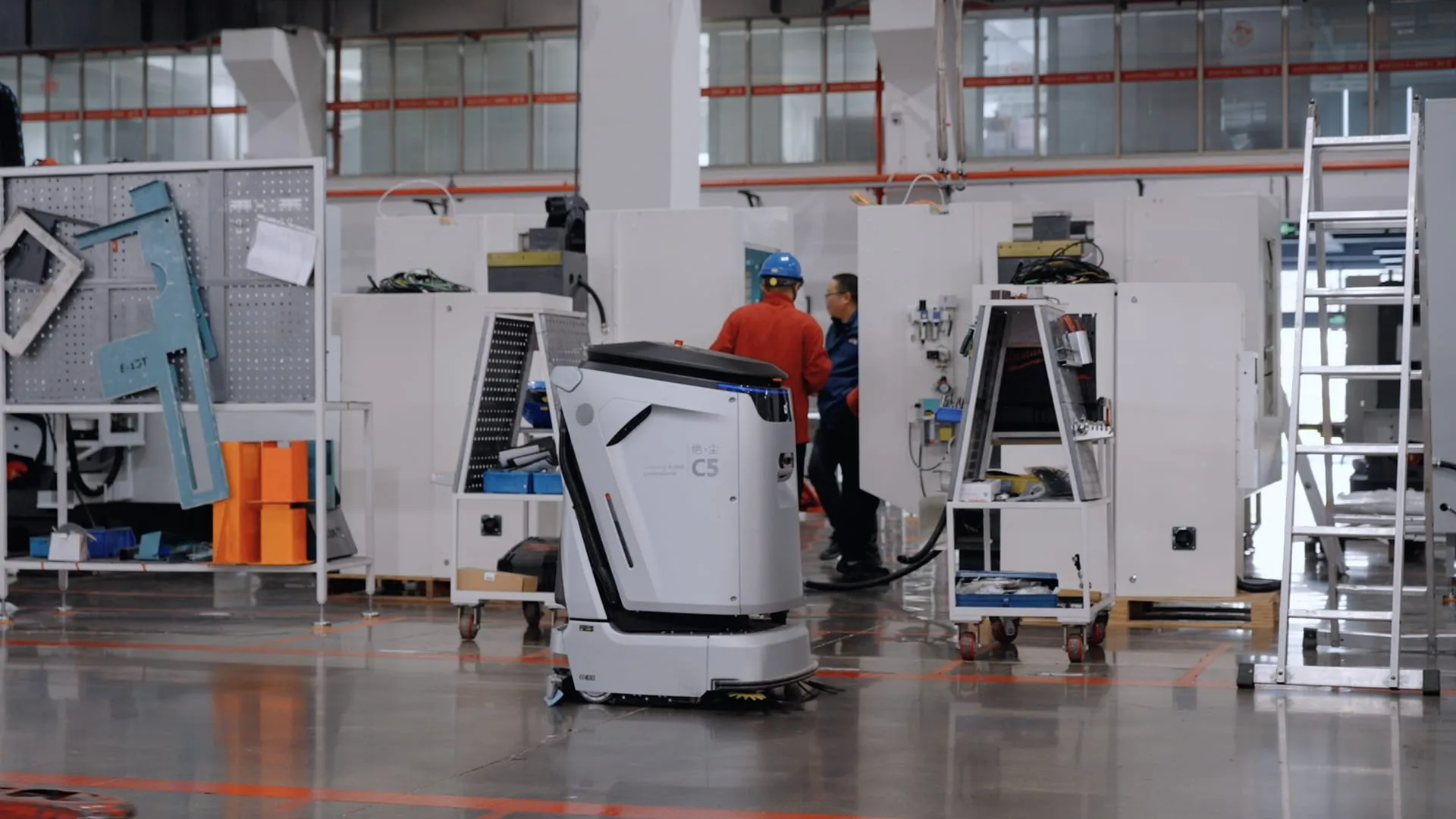
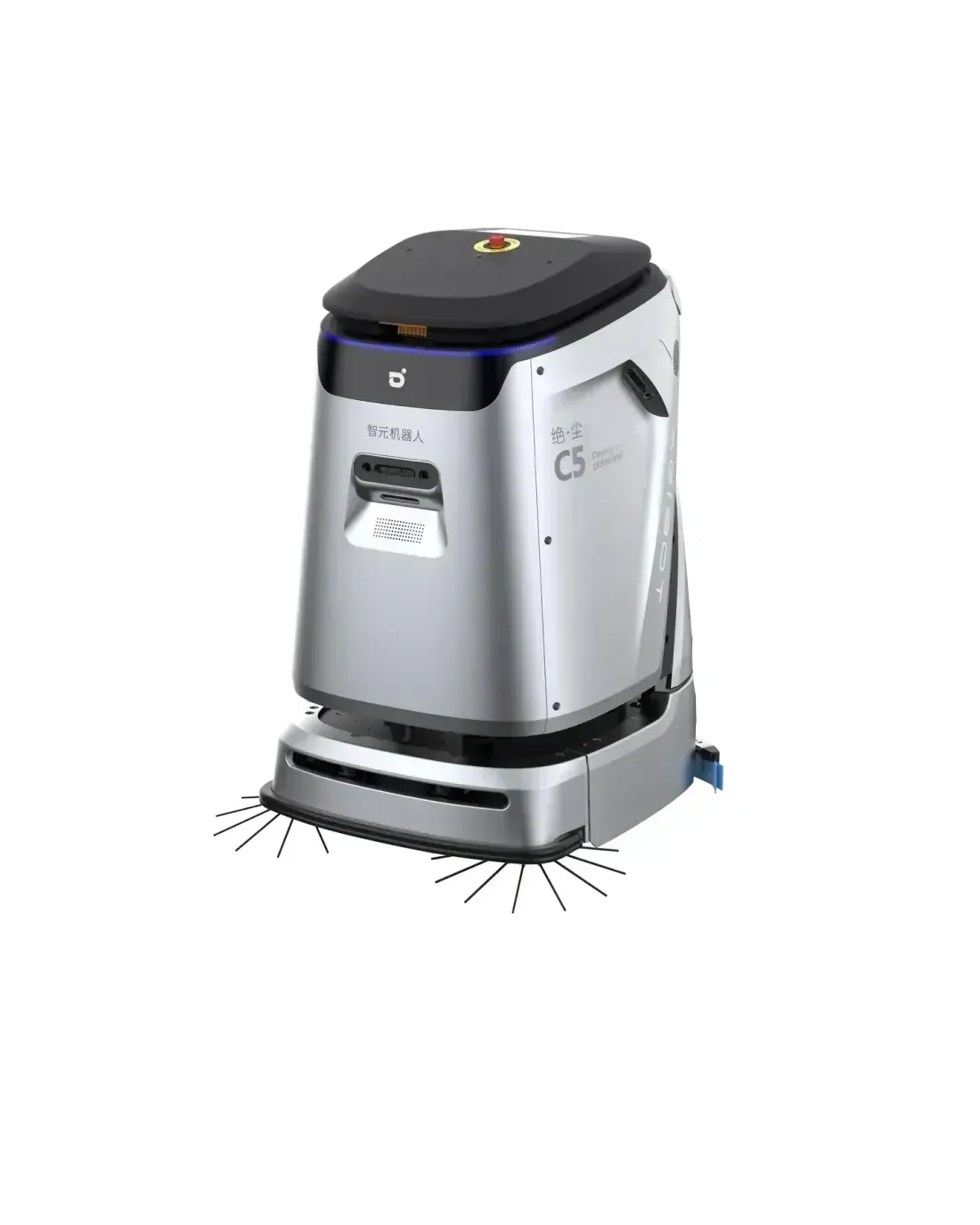
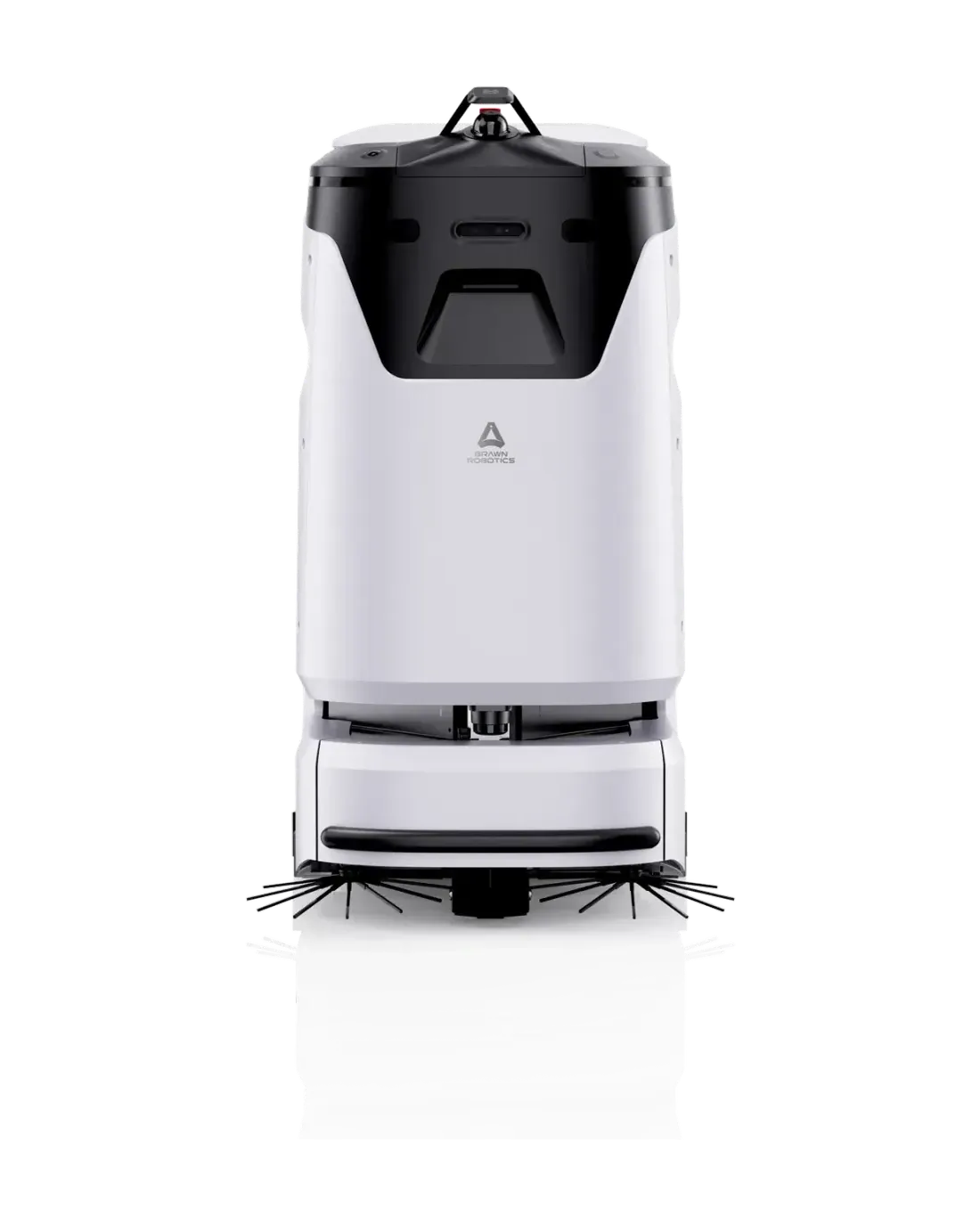
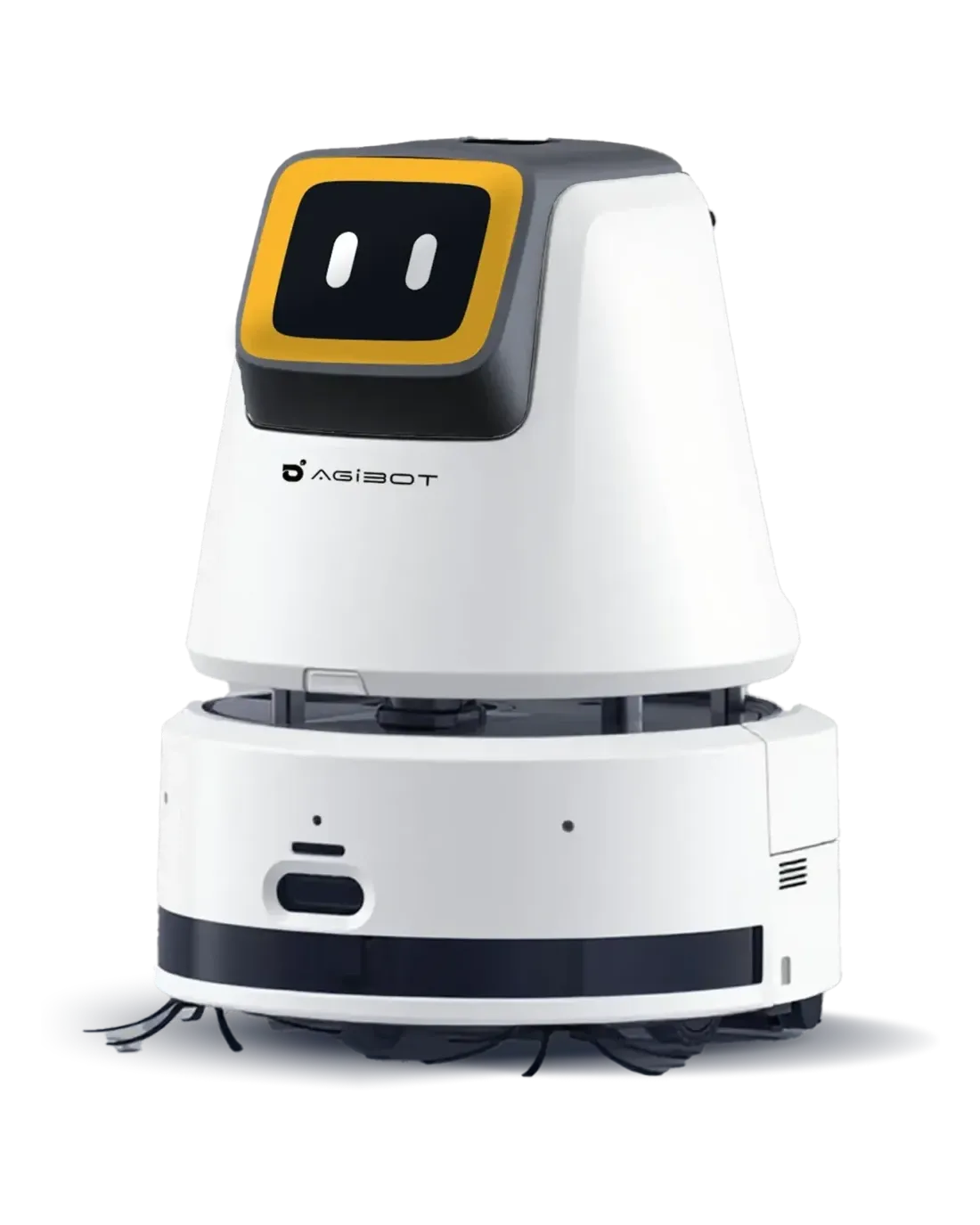
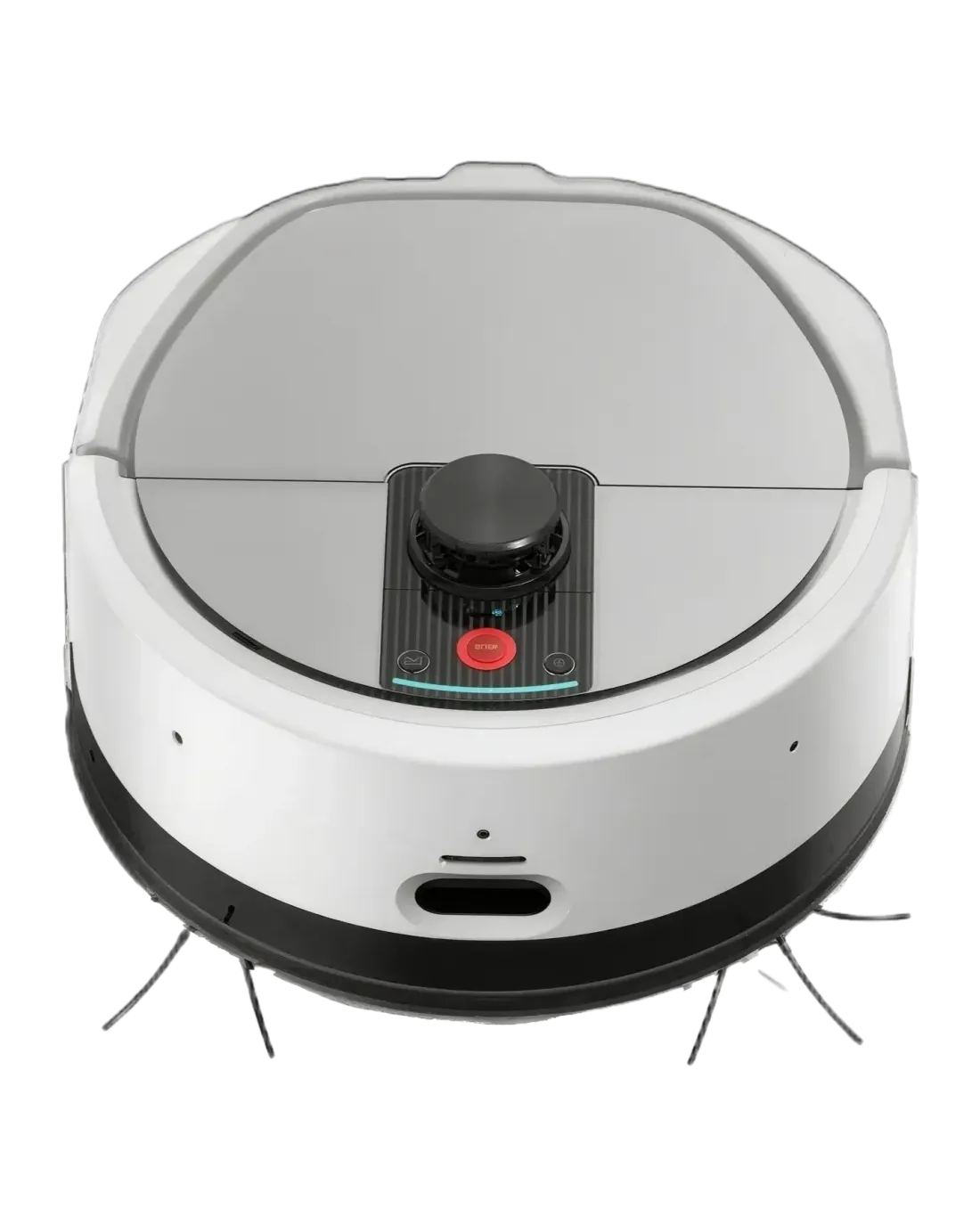
C5 adjusts brush pressure and dosing to the floor. A high-pressure wash with cleaning agent softens and lifts cured oil, while dual roller brushes and edge cleaning take the rest.
Routes cover the workshop and return to the workstation for charging, filling, draining and tank rinsing. No one has to enter the production floor to keep it running.
The same route follows the site, not a shift handover.
Cleaning moves between production windows instead of waiting for a handover.
The workshop is cleaned corner to corner, with the oil hotspots taken first.
Charging and water exchange happen without a manual call.
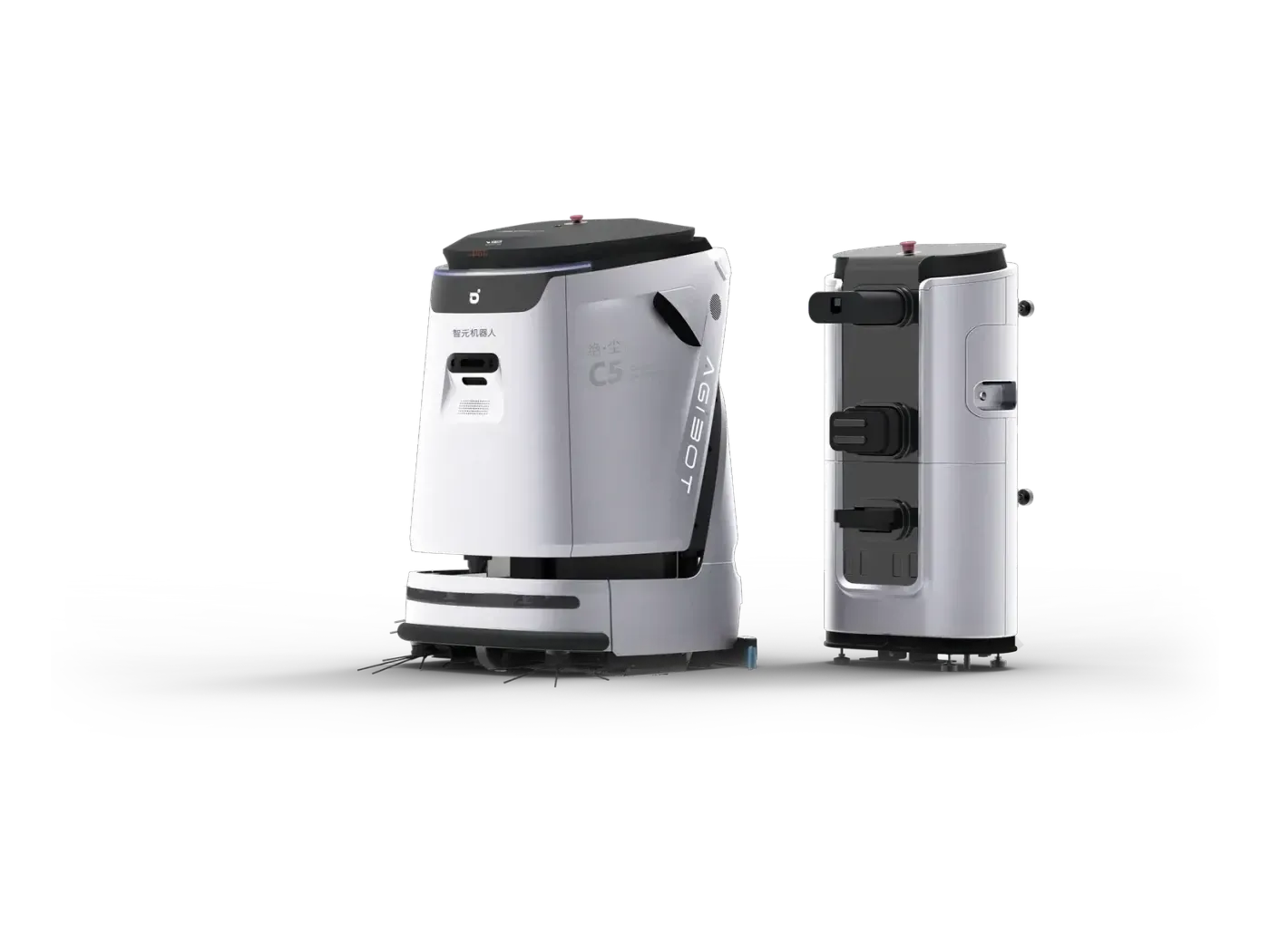
Each project states the venue, the scale and the result the site tracks. Client names are withheld; figures are reported as the project supplied them.